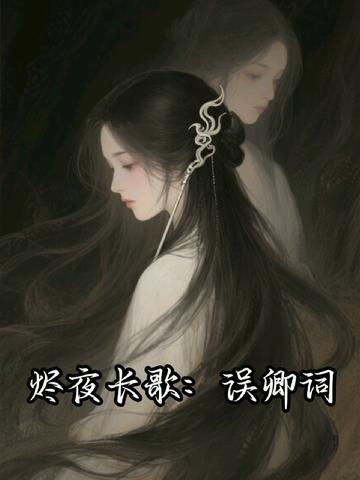
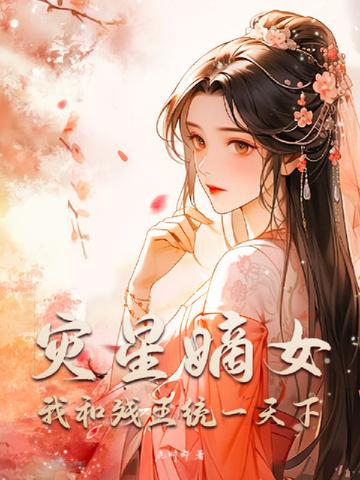
He Qingci, the daughter of a once-prominent scholarly family, bears a striking resemblance to Shen Weixi, the “Chosen Daughter of Heaven” recognized by the century-old Rong clan. Her family sends her to the Rong residence to serve as Shen’s substitute. Forced to imitate Shen Weixi’s words and mannerisms, from the style of her hair to the music she plays, she must reproduce every trace of the deceased beloved, becoming a tool for Rong Xun, the Rong family’s head, to indulge his grief and fulfill the “Will of Heaven.”
Cold and restrained, Rong Xun initially sees He Qingci only as a symbol of his family duty. But as they spend their days together, he is drawn to the resilience and singular talent she hides beneath her gentle exterior. Her perceptive annotations when she reads poetry and the fierce, distinctive style that slips into her playing gradually shatter his idea of what a “substitute” can be.
As doubts surrounding Shen Weixi’s death begin to surface, the arrival of the wandering painter Xie Zhiyao further reveals He Qingci’s true self. Their confrontation in the plum grove on the anniversary of Shen’s death finally frees He Qingci from the shackles of being a “reflection.” She declares, “I am He Qingci, not the ghost of a dead Shen.” By fleeing, she tears a crack in the Rong family’s old order. Only after losing her does Rong Xun awaken to the truth: what he was truly obsessed with was never the Will of Heaven, but the vibrant soul he had ignored.
At last, amid the crowds of the Lantern Festival, the two pass each other by. He Qingci holds a poetry collection bearing her true name and wins her freedom of spirit, while Rong Xun remains trapped by family duty and endless regret. This song of a long night among the ashes sings of a love that burns beneath the constraints of identity, and of finding oneself anew in the midst of ruin.