This is not a wish-fulfillment novel!!! If that’s what you’re looking for, please read something else.
There are many historical figures in this story, and they will retain their original personalities. Their actions will also reflect the interests of their social class.
The real late Ming dynasty could not be saved just by executing a few corrupt officials and confiscating a few families’ property!
Do you think that shedding a few tears for the soldiers and speaking a few heartfelt words will make them gladly give their lives for you?
Do you think that leading the army into battle yourself will turn the soldiers into supermen who can beat the enemy senseless? Do you think doing a few things that move you and others will save the country and its people? Ridiculous!
In the real late Ming, by the time the emperor’s military pay reached the border, half of it was already gone. Before maritime trade was even fully reopened, prices had already soared everywhere. The wheat in the fields had yet to be sown in February, but the government granaries were already built.
Move the capital south and abandon the north? You’d be drowned in the ministers’ spittle before you could even get the words out.
Want to unite the people? Want to make the country rich and its army strong? Easy: bring out the silver!!!


It's a very realistic time-travel novel. The protagonist isn't an omniscient figure who knows how to utilize the minister's abilities, nor does it simply import modern systems and scientific research into ancient times without considering the historical context, making it difficult to read. Overall, it's quite good.
That's quite good. The more critical the situation, the more important it is to avoid killing to prevent widespread panic, and the more crucial it is to unite all forces that can be united, otherwise, we'll suffer the same fate as the Southern Ming. The portrayal of Huang Taiji of the Manchu Qing dynasty is also very realistic.
Very objective; it clearly referenced many documents. The author explained all the data involved. The sections on the Ming Dynasty's Two-Tax System and Salt Administration show that the author did indeed do research, making it much more grounded than other time-travel novels set in the late Ming Dynasty.
It's really good, keep it up, author!
Not bad, it's one of the best among time-travel novels.
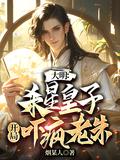
It looks great so far, quite historically accurate, I like it. The title and book cover alone are unlikely to attract readers.
Overall, it's acceptable, but one point I find unreasonable is the concept of "righteous reconciliation." In ancient times, warfare primarily consumed food and weaponry. The expenditure of funds mainly consisted of three parts: compensation for the dead, rewards for victory, and military pay. Nurhaci's siege wasn't insurmountable, and there was no need to engage in battle.
This book provides a considerable account of the deeply entrenched and intractable problems during the Chongzhen era of the Ming Dynasty. It is meticulously researched, and the author clearly put a lot of effort into it. It is a very good book, demonstrating a good grasp of the overall situation while also handling the details effectively.
Based on my experience of over 10,000 hours, this book ranks among the top 10 historical texts and is suitable for enthusiasts of the Ming Dynasty.
These are rare gems on Tomato Books. [Got it] This book is really good, why are so few people reading it? I hope the author doesn't ruin the ending! 😢