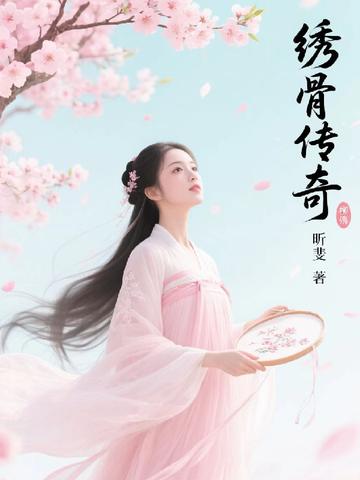
In a feudal dynasty where a woman's fate was bound by tiny bound feet and the Three Obediences and Four Virtues, Liu Chuntao's birth was like a peach sapling trampled into the mud. Her father called her a money-losing burden. When her mother tearfully began binding her feet, she clenched her teeth and hid the binding cloth in the stove.
At eight, she escaped the agony of foot binding. At twelve, she became a maid and secretly learned embroidery. At sixteen, she was expelled for resisting a powerful man's advances. On the night she ran barefoot out of the county town, she carried only half a box of silk thread and the defiant promise that she would never starve.
From setting up an embroidery stall by the bridge and being chased and beaten by thugs, to opening the Chuntao Embroidery Workshop and being condemned as a widow who failed to observe proper conduct; from paying off debts with embroidery to feed her young son, to defeating the unscrupulous merchants who monopolized the market; from donating embroidered goods to the foundling home, to opening a school for girls and teaching poor girls a trade... Her stitches captured the resilience of dandelions in the fields, the warmth of soup kitchens in famine years, and the darkness of officials colluding with merchants.
Those hands were once beaten bloody with rods and had scissors held to their fingers as a threat. In the end, they embroidered a grand residence, stitched a livelihood for hundreds of girls, and made her the respected Boss Liu, a woman even the prefect treated with deference.
But behind the glory were cold nights spent alone, arguments with her son when he wanted to give up embroidery for business, and the slander of rivals who claimed she had risen by relying on men. Again and again, feudal morality challenged her: “What does a woman need such a great reputation for?”
Liu Chuntao's life was spent mending the rips in fate with silk thread and using an embroidery frame to give women strength. She never read Lessons for Women, yet she lived like a book that future generations could not afford to dismiss. Its pages proclaimed that flowers can bloom in the dirt, and no binding cloth can stop someone who wants to walk.
Although I haven't finished reading it yet, judging from the few chapters I have read so far, it is indeed well written. It describes the suffering of women in the old era, as well as the heroine's tenacity and hard work to grow. I love so much.