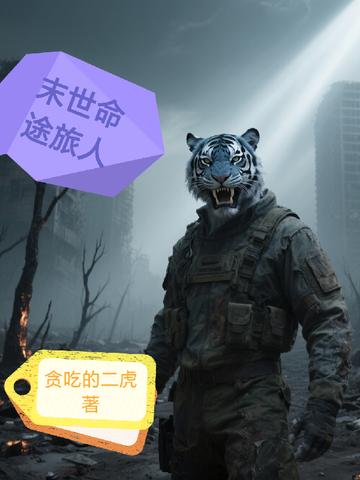
This is an apocalypse setting inhabited solely by beastfolk, where the survival philosophies and chosen paths of different factions collide, creating intense dramatic conflict.
The protagonist awakens in confusion, with no memory. The wasteland’s desolation and dangers become the catalyst for his growth, and clues to his past may lie at the heart of one of the factions: perhaps his identity is recorded among the relics of an ancient civilization, or preserved in fragments of the database belonging to those who have ascended through machinery, or foretold in a nature tribe’s legends.
Beastfolk communities possess the most primal vitality. Their survival instincts and shared faith allow them to establish order amid the ruins. Their “transformation” may mean using feral strength and totems to resist the chaos of the apocalypse, setting them in opposition to other factions in a clash between the primitive and the civilized.
Those who have inherited the legacy of ancient civilizations hold the keys to the old world. They may seek to recreate its glory, or reflect on the past in search of a balance better suited to the apocalypse. The machine ascendants represent a transcendence of the flesh, using metal and data to resist entropy, yet they may be torn between their humanity and their mechanical nature. The reclusive people who have merged with nature are “going against the tide” in this apocalypse. They seek a way to endure by living in harmony with plants and trees, but are bound to clash over resources with expanding warlords.
Warlord factions and groups seeking to rebuild the world represent two extremes of restoring order. The former seize the means of survival with an iron fist, while the latter quietly weave their utopia in a corner of the world. The protagonist’s travels and choices will become a crucial variable as these paths collide. Every faction’s “future” is shaped by its own biases and obsessions, while survival and truth lie in the gaps between their clashes.