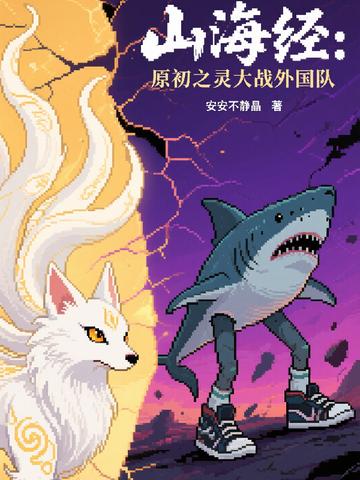
The rare-books section of the city library suddenly shudders. A dark purple rift splits the sky, and countless grotesquely modified “Classic of Mountains and Seas beasts” pour into the real world: three-toed sharks wearing Nike sneakers, crocodiles with bomber-plane wings, mechanically assembled Qiongqi... They tear down billboards, pollute rivers, and assault the city with their twisted appearances and violent logic.
The young Lin Xiaoman accidentally awakens the original copy of the Classic of Mountains and Seas left behind by his grandfather. The beasts within it, including the nine-tailed fox, Bifang, and Zhulong, appear one after another. These creatures, embodying the wisdom of the ancient Chinese, are not the hideous monsters of legend: the nine-tailed fox uses its wisdom to dispel falsehoods, Bifang’s fire warms rather than destroys, and Zhulong opens its eyes to illuminate history that has been altered.
When the modified monsters try to bury cultural truth beneath a flood of information, and children begin imitating bizarre symbols and meaningless howls, Xiaoman joins forces with Uncle Zhang, the old-books librarian. They discover that this battle is more than a contest between beasts: it is a defense of the roots of Chinese culture. The “ferocity” of Chinese beasts carries a warning, their “strangeness” inspires awe, and their “spirituality” connects them to a thousand years of tradition.
From the library to the amusement park, from the city skyline to ancient ancestral halls, as truth and falsehood collide, the children gradually understand: the real Classic of Mountains and Seas was never a horror story. It is a torch handed down by the ancients to illuminate the truth that “all things possess spirit, and culture has roots.”
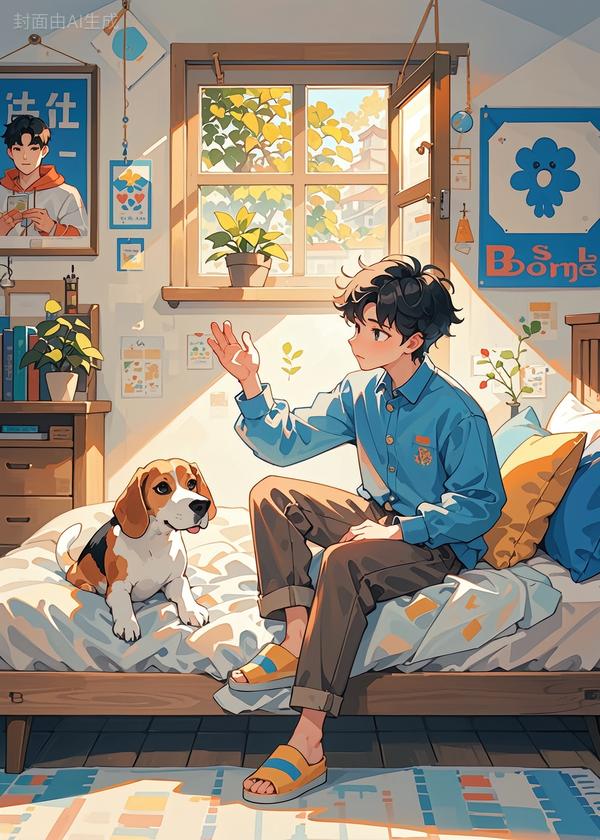 The Hot-Tempered School Bully and the Big-Eared Beagle
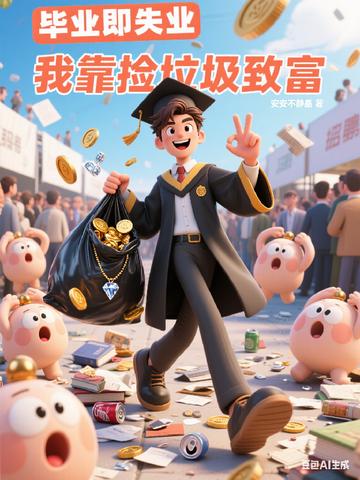 Graduated and Unemployed, I Got Rich by Picking Up Trash
 Quick Transmigration: Villain Cubs, Come Here and Let Mom Hold You
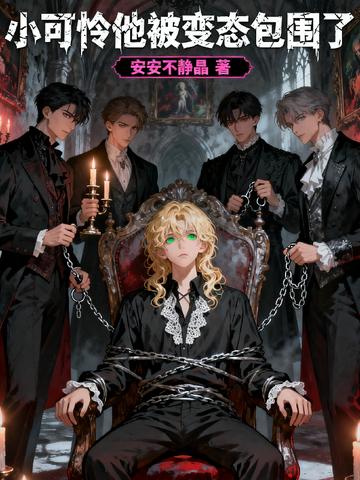 The Poor Little Thing Is Surrounded by Perverts
 Born in the 2010s: While Others Raise Their Kids, I Raise My Dad
 Collected Moon Dust