The essence of Chinese folk ghost stories lies in using supernatural tales to reflect every facet of human life. They are rich in fantasy yet carry profound moral lessons. Often featuring fox spirits, ghosts, and other supernatural beings, these stories explore the good and evil, beauty and ugliness of human nature through interactions between the living and the dead. At their heart are three key ideas: first, the ethics of karma and retribution; second, a simple yearning for justice, with ghosts and monsters often serving as instruments for punishing evil and rewarding good; and third, allegories for real society. These stories satisfy people’s curiosity about the unknown while using the awe of the supernatural to reinforce moral standards. They embody the wisdom of Chinese culture’s teaching to “respect the spirits, but keep your distance,” fulfilling a moral and educational purpose through entertainment.
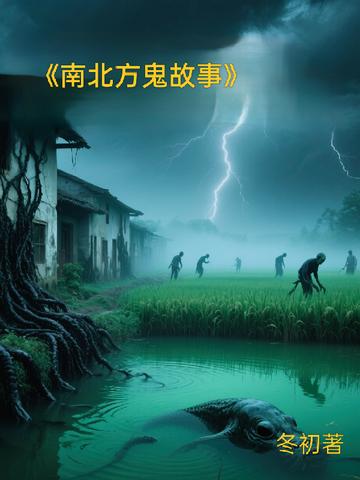


Ghost stories in northern and southern China present distinct regional and cultural differences. Southern stories mostly take place in dense water towns and deep mountains and dense forests, and ghosts and ghosts often have a subtle and feminine air. Legends of water ghosts, mandrills, and spirits are prevalent, and the plots are often entangled in love and debt. The narratives are delicate and profound, reflecting the rice farming culture's subtle observation and awe of nature, as well as the complex interpersonal metaphors in clan society. Northern ghost stories are rooted in the vast plains and harsh environments, and their style is more rough and direct. Legends of fox spirits, transformed corpses, and righteous ghosts are common. They emphasize karma and moral admonishment. The images of ghosts and monsters are clear in love and hate. They are often associated with historical turmoil and hardship of survival, reflecting the persistence of order and ethics in farming civilization. Fundamentally, ghost stories in the South are like moist mist, permeating the spiritual imagination of unknowable nature; ghost stories in the North are like the cold wind, carrying rigid norms about the world and people's hearts. The two together constitute the Chinese people's dual cultural psychology of respecting natural spirituality and advocating human ethics when facing the unknown world. The eternal thoughts on life and death, good and evil are settled in the strange stories.