Blood and Verse on the Eve of the High Tang
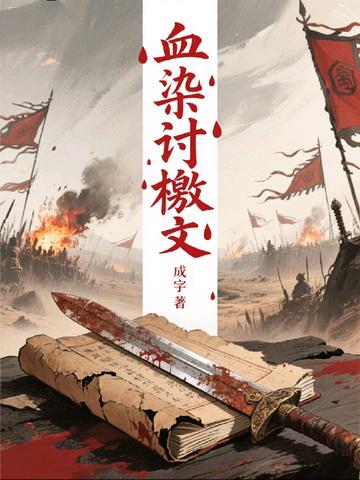
When Wu Zetian’s phoenix hairpin threatens the Li dynasty and the iron claws of cruel officials shatter Jiangnan’s peace, a memorial of denunciation is born amid the lantern-lit streets of Yangzhou, piercing the autumn night of the fourth year of Chuigong.
This is no ordinary tale of history. Li Jingye, heir to the bloodline of the Duke of Ying, grips an unfinished memorial before his grandfather’s ancestral tablet. His oath to “purge the court of wicked advisers” burns within him, yet his eyes grow wet when a young woman from Lingnan tells him of the people’s suffering. Meng Chuyue, daughter of a Baiyue chieftain, enters the military camp carrying a dragon-patterned wooden token, seeking her father. Amid the flames of war, she grows into a warrior who protects the people. Her knowledge of herbs reveals her understanding of the human heart, and her love carries the weight of a thousand promises.
Luo Binwang dips his brush into the moonlight over the Han Canal and the smoke of war, writing, “Look upon the land today: whose hands will hold it?” Steeped in Lingnan sorcery, Central Plains military strategy, and the farmers’ hoes, the memorial puts down roots that will not yield.
The palace intrigues of Zichen Hall reach far beyond its walls, and the fires of war along the Yangtze and Huai rivers are not confined to the battlefield. The book lays bare the helplessness of people caught in troubled times: Li Siwen’s desperate ploy to feign injury, Meng Shelong’s longing as the bronze drums are silenced, and the complicated look in Wu Zetian’s eyes as the memorial is burned. Above all, it reveals how life endures even in the bleakest depths: the cries from the pontoon bridge over the Luo River, the devotion of a teacher on the shores of Quanzhou using fragments of the memorial to teach children to read, and the kapok flowers that blossom year after year before an unmarked grave.
Open Blood-Stained Memorial and discover the names and stories overlooked by official histories. Watch a bloodied memorial transform from a blade of “condemnation” into a seed of “protection.” This is an epic set on the eve of the High Tang, with clashing spears and horses alongside the everyday struggle for food and shelter; with the thunder of a memorial and whispers beneath the moon. Close the book, and you may still hear the bells of boats on the Han Canal and the bronze drums of Lingnan, as “the people are the foundation of the state” is carved into the bones of time.