Synopsis:
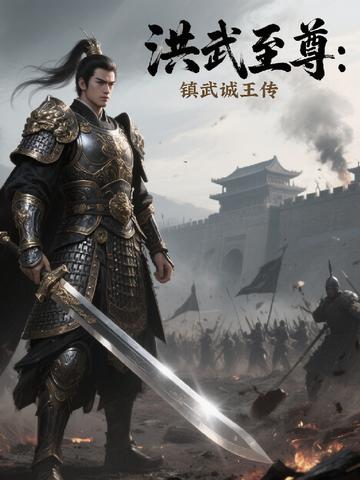
In the early Hongwu era, the realm has only just been pacified. The common-born youth Zhu Xiaren rises amid the chaos, joins the army, and is tempered in the blood and fire of the northern frontier. He leads troops against the Tatars and defeats the Northern Yuan, achieving unparalleled feats: sealing the wolf on Mount Yan and watering his horses in the vast northern sea. Yet after witnessing his brothers’ gruesome deaths and the people’s suffering, he flies into a rage, erecting towers of enemy skulls and ordering massacres to strike terror into the grasslands as a “devil.” He refines salt, controls floods, fights epidemics, saves Empress Ma from a grave illness, and rescues the eldest imperial grandson, Zhu Xiongying, from smallpox. He repeatedly saves the Princes of Qin, Jin, and Yan, improves firearms, clears out Japanese pirates, opens maritime trade, and recovers the imperial jade seal. He rules with both an iron fist and a benevolent heart. In just six years, he rises from an unknown soldier to the Prince of Zhenwu Cheng, receiving the peerless honor of sharing the throne’s rank, and wielding power over all under heaven despite having no imperial authority. The world is astonished to discover that he resembles the Great Ancestor. At last, the mystery of the lost prince is revealed, but by then he has been worn down by years of toil and dies suddenly. The Great Ancestor and Crown Prince Zhu Biao are inconsolable, and he is posthumously named emperor. On the day of his funeral, the streets are packed with mourners and the cries of grief shake the heavens. The common people don mourning clothes of their own accord, and more than ten thousand guards and civilians volunteer to follow him in death. The princes personally pull his coffin, sending him off with honors unlike anything seen before or since. He lays the foundation with both military might and benevolent rule, extending the Ming dynasty to 688 years and ushering in a glorious age when all nations come to pay tribute. His legendary life becomes the enduring song of the Hongwu era.
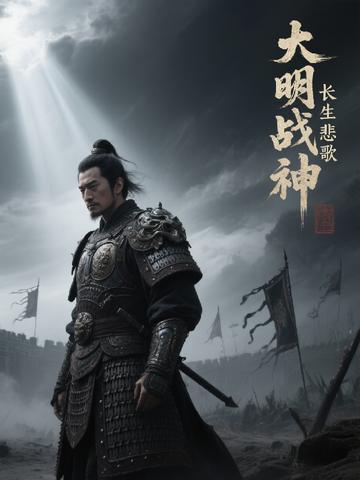 The Ming Dynasty's God of War: A Tragic Song of Immortality
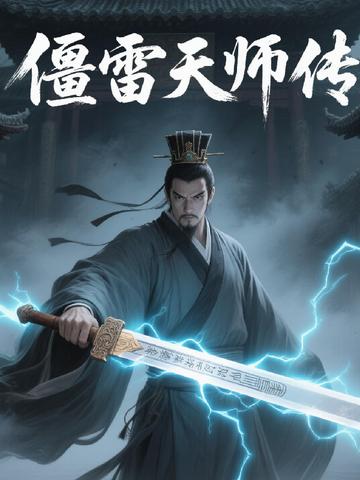 The Tale of the Zombie Thunder Celestial Master
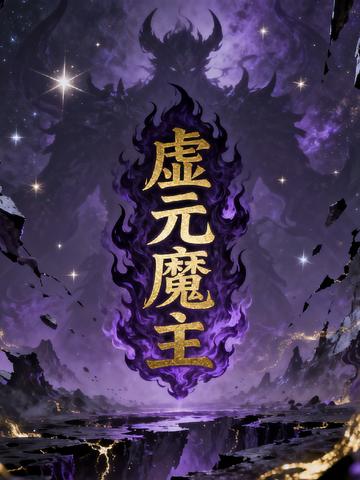 Demon Lord of the Void Origin
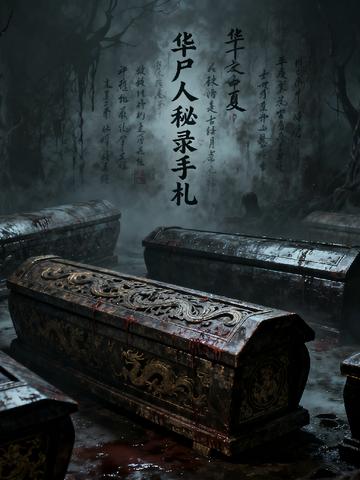 The Corpse Collector’s Secret Journal
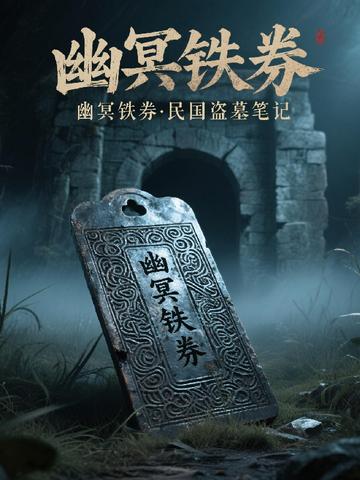 The Netherworld Iron Writ: A Republican-Era Tomb Raider's Tale
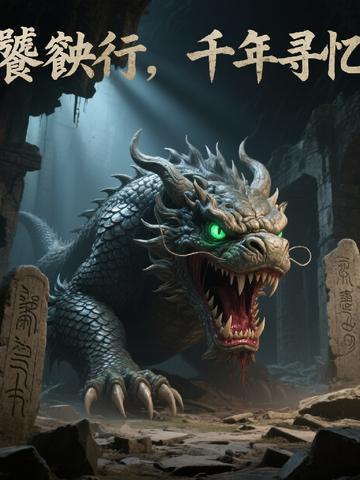 The Taotie Journey: A Thousand Years in Search of Millions
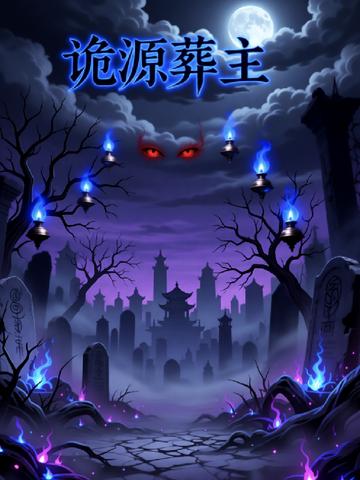 Lord of the Buried Source of the Strange
 The True Dragon Reigns Supreme