Historical anchors: The timeline, relationships between historical figures, and major events, such as the campaigns against Shu and the Pyu Kingdom and the construction of temples, strictly follow historical records. The fictional elements are grounded in the society and customs of Nanzhao, drawing on sources such as the Man Shu and the New Book of Tang.
Cultural fusion: The story highlights the blending of Han, Yi, Bai, and other cultures, as well as the interaction between Esoteric Buddhism and Buddhism from the Central Plains. Historical settings are brought to life through details of architecture, clothing, language, and religious ceremonies.
Character arcs: The Princess of Luoci’s growth from tribal girl to court politician, Quan Fengyou’s transformation from boy king to mature ruler, and Wang Cuodian’s tragic downfall from powerful minister are each shaped by escalating conflicts and turning points.
Spatial narrative: Yangjumie City (Dali), Shanchuan Prefecture (Kunming), and the Luoci tribe (Lufeng) serve as the central settings, with journeys to Chang’an, Chengdu, the Pyu Kingdom, and other places building a vivid world of Nanzhao.
Legend and history: Folk elements such as the “Green Mandarin Duck,” the “Huanglian Tea Tree,” and the “City of Beauties” are woven into the narrative, while the dual structure of historical records and oral folklore gives the story depth and texture.
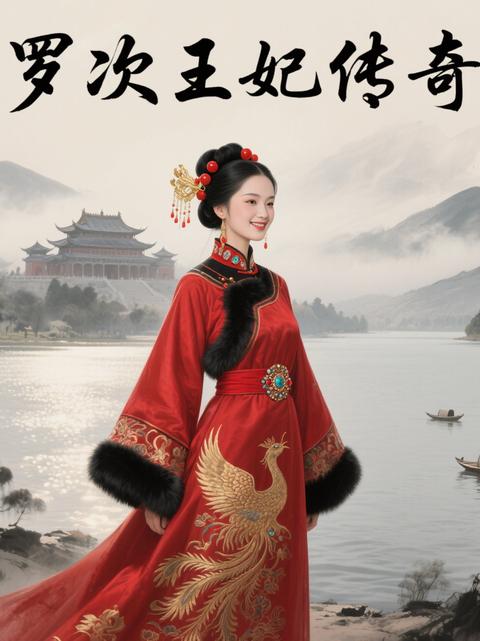

This book is really good!
It looks great! Keep it up!