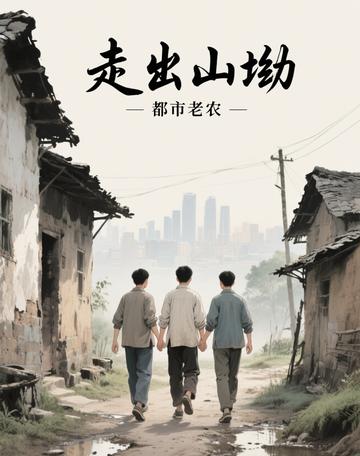
Going Beyond the Mountain Hollow follows the fortunes of the three Chen brothers of southern Jiangxi over forty years, tracing a spiritual migration shaped by the collision between agrarian civilization and the wave of urbanization. In the 1980s, the bonds of clan and family were pulled taut: Chen Yuanshan clutched a pencil during the baby-grabbing ceremony, while his father's furious insistence on “four generations under one roof” set their fates in conflict. Chen Jinshui was punished with a ruler for saying “textbook,” and the blood on the family genealogy became a birthmark of shame over his rural speech. When the migrant-worker boom swept across the country in the 1990s, Chen Jinshui falsified his education credentials to get into a state-owned enterprise, while his eldest brother was mocked on the assembly line for his dialect. The wave of layoffs and the ancestral hall's ritual of dividing sacrificial meat intertwined in a story of “the second generation of rural migrants” being weaned from their spiritual roots.
After the turn of the millennium, nostalgia for home was co-opted by capital. New rules on residential land barred the mother's ashes from being buried there, while disputes over rebuilding the old house mirrored the clash with a livestream on Tomb-Sweeping Day. Incense burned for ancestral worship mingled with the lights of an influencer's ring light, creating a cyber-era Nuo ritual. New developments such as the metaverse in the 2010s further dismantled traditional foundations: NFT trades in ancestral property challenged the clan system, and VR ancestor worship stripped “returning to one's roots” of its physical meaning. The three brothers' electronic signatures on a blockchain agreement and their father's cement handprint ultimately formed a closed loop across time and space.
The novel weaves together the recurring images of “the bones of the foundation” and “silver from a broken bracelet,” fusing changes in land policy with a crisis of identity into the growth rings of civilization's evolution. When the old house becomes a data shadow in a server matrix, the memory of the ancestral hall floating in the cloud resembles electronic moss, silently imprinting on the blockchain the code of an entire family's fracture and rebirth. From the pencil at the baby-grabbing ceremony to virtual sacrificial meat, from shame over one's dialect to nostalgia for home in the metaverse, every slice of an era conceals the genes of tradition and technology coexisting. Together, they bear witness to the lives of those who leave home as they rebuild the roots of their longing amid the tides of the times.
"Out of the Col" really writes the contradiction between human nature and power brilliantly! The protagonist wants to change his destiny through knowledge, but is repeatedly challenged by the power relations in the village. After finally saving some money, he is deceived by various secret operations and loses all his money. Power has become the private weapon of some people in small places, and it has brought out all the selfishness and greed of human nature. But the protagonist was not completely swallowed up by the darkness, and was still struggling to resist in the end. This book is like a mirror, showing how difficult it is for people at the bottom to escape from their predicament. It is heart-wrenching and enjoyable to read!
When writing "Out of the Col", I couldn't help but think: If fate is a relay race, these three brothers are simply receiving batons from different tracks! The eldest brother, Chen Yuanshan, went out to study medicine in the mountains, but encountered an undercurrent of power and interests in the hospital; the second child, Chen Jinshui, guarded the mountain village and family ties, but was trapped by land, human relationships and backward concepts; the third child, Chen Wangchuan, wandered into the city after college, lost and awakened under the neon lights.
In the past few decades, urban and rural areas have changed so fast that it is difficult to catch them. Some people are pushed by the times, some are desperately trying to catch up, and some are left behind. The story of the three brothers is actually the epitome of countless ordinary people - have you seen the shadow of yourself or the people around you in them? Their choices, struggles and persistence may give us a little more understanding of life and a little more courage to compete with fate! Come and talk to me, which character do you feel most distressed about?
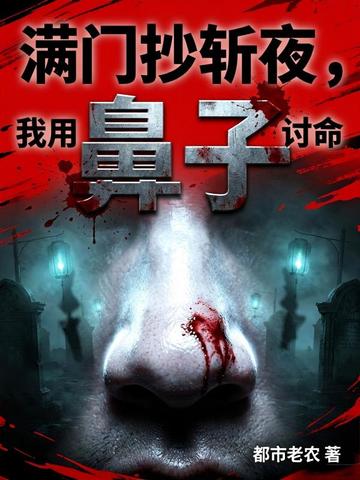 On the Night My Whole Family Was Executed, I Begged for My Life with My Nose
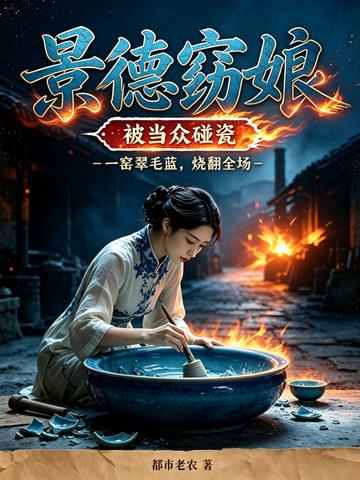 The Jingde Beauty Is Framed in Public
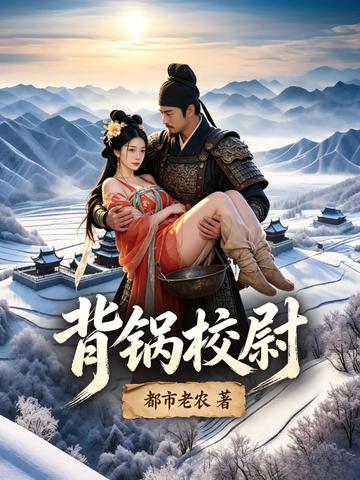 The Fall Guy Captain
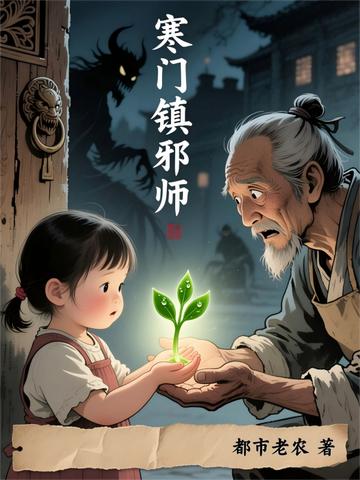 The Exorcist from a Poor Family
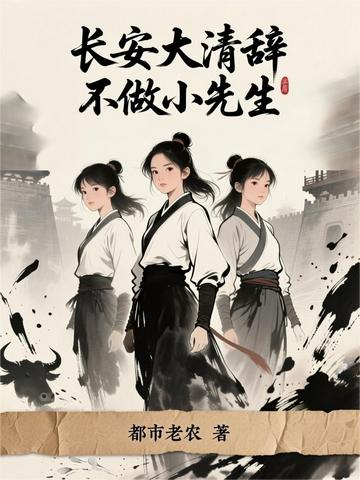 Farewell to Chang'an, I Won't Be a Little Gentleman
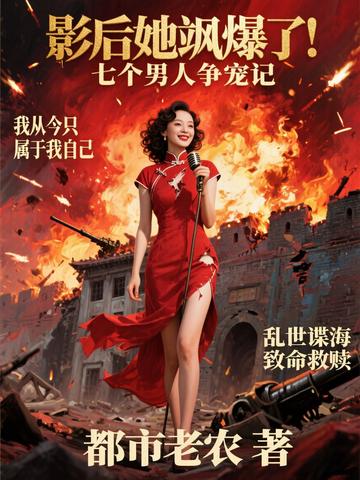 The Queen of the Screen Is a Force of Nature! Seven Men Vie for Her Affection
 A Deputy Section Chief's Siege
"Out of the Col" really writes the contradiction between human nature and power brilliantly! The protagonist wants to change his destiny through knowledge, but is repeatedly challenged by the power relations in the village. After finally saving some money, he is deceived by various secret operations and loses all his money. Power has become the private weapon of some people in small places, and it has brought out all the selfishness and greed of human nature. But the protagonist was not completely swallowed up by the darkness, and was still struggling to resist in the end. This book is like a mirror, showing how difficult it is for people at the bottom to escape from their predicament. It is heart-wrenching and enjoyable to read! When writing "Out of the Col", I couldn't help but think: If fate is a relay race, these three brothers are simply receiving batons from different tracks! The eldest brother, Chen Yuanshan, went out to study medicine in the mountains, but encountered an undercurrent of power and interests in the hospital; the second child, Chen Jinshui, guarded the mountain village and family ties, but was trapped by land, human relationships and backward concepts; the third child, Chen Wangchuan, wandered into the city after college, lost and awakened under the neon lights. In the past few decades, urban and rural areas have changed so fast that it is difficult to catch them. Some people are pushed by the times, some are desperately trying to catch up, and some are left behind. The story of the three brothers is actually the epitome of countless ordinary people - have you seen the shadow of yourself or the people around you in them? Their choices, struggles and persistence may give us a little more understanding of life and a little more courage to compete with fate! Come and talk to me, which character do you feel most distressed about?