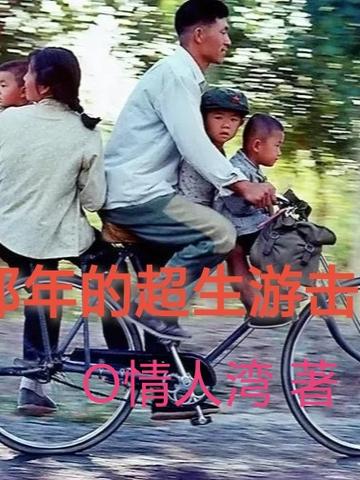
The Guerrilla Family That Had Too Many Children is set against the family-planning policies of the 1970s through the 1990s, focusing on the survival and resistance of families with more children than permitted. Moving through locations such as Yimeng in Shandong and villages in northern Anhui, the novel depicts the violent collision between traditional ideas about childbearing and modern government mandates under the rigid enforcement of policy.
Central themes:
- The struggle to survive and the mark of the times: To evade inspections, families with too many children lead nomadic lives, sheltering in shacks, borrowing identities, and hiding across district lines. They face crushing poverty, selling pigs to pay debts and surviving on wild greens; social discrimination, branded as “unregistered households”; and psychological torment, living in fear of pursuers and torn apart from loved ones.
- Folk resistance and moral struggle: Ordinary people use resourceful tactics such as “fake divorces,” “resurrection by borrowing a corpse,” and “guerrilla life on the water” to resist the policies. Family-planning officials, too, become trapped in the ethical conflict between “the law” and “human feeling,” revealing the complexity and increasingly violent nature of enforcement, including forced abortions and home raids.
- Personal stories and collective memory: True accounts of “giving birth in a ruined kiln,” “a baby drifting in an iron barrel,” and “being struck from the family register at the ancestral hall” link hardships such as family separation and lack of education. First-person accounts give history a human warmth and reveal both the resilience of life and the trauma of the times.
- Policy shifts and social reflection: From the “one-child policy” to the easing of restrictions to allow two children, the novel traces the evolution of policy and reflects on the resulting problems, including an aging population and an imbalanced sex ratio. It asks what price individuals pay when their rights are surrendered to collective narratives.
Purpose of the work:
- Recording a slice of extraordinary history: Through literature, the novel preserves the folk memories of the “guerrilla families with too many children,” a product of their era, filling in the personal histories left out of official narratives.
-
 My Wife Glows with Fragrant Sweat, While I Sweat Like a Pig
 Time Reboot: Mei Yu's Rebirth and Return to the Top
 After Her Alzheimer's Treatment, She Gets a Second Chance at Love
 Even After Drinking Meng Po's Soup, I Can't Forget You Walking Away
 The Ex-Wife with Hair on Both Sides
 Honor of Kings: Starting at the Top
 Iron Tongue, Bronze Claws 008