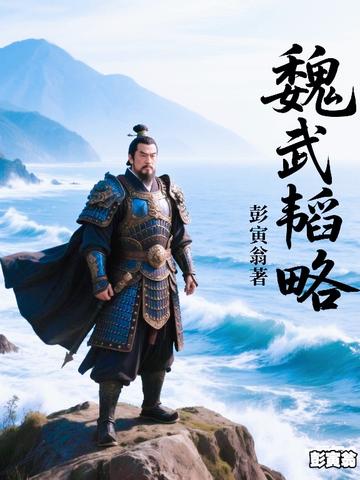
In the winter of Jian'an 13, the flames of Chibi illuminated more than the Yangtze River. They also revealed a thousand shadowy facets of human nature caught in the vortex of power. This formidable warlord, hailed as “a capable minister in times of peace, a treacherous hero in times of chaos,” held the cold gleam of a bronze sword in his left hand and the scent of ink on bamboo slips in his right. His horse's hooves trampled countless cities, yet amid the ruins he sowed the seeds of the tuntian farming system. His schemes crushed many enemies, yet in pools of blood they nurtured the spirit of Jian'an. When we reduce him to either a pale-faced villainous minister or a hero of war and conquest, are we falling into the very “pedantic scholar's view” he mocked most in life? History never judges the victor. On a scroll stained with both blood and ink, it records only a soul forever burning with contradictions: he offered incense in sacrifice to Heaven, and he also composed verse with a spear across his saddle; he slaughtered cities and executed those who surrendered, and he was also the man who, on his deathbed, divided up his incense and shoes. This fractured yet unified chaos is the most compelling specimen in five thousand years of Chinese history.
Based on Records of the Three Kingdoms and archaeological discoveries, this work reconstructs the true side of Cao Cao, also known as Chancellor Cao and Emperor Wu of Wei. It explores how he differed from, and resembled, Chancellor Zhuge, the subject of the author's previous historical work, Chancellor Zhuge's Southern Campaigns, and bears witness to Cao Cao's life as both chancellor and man in the late Eastern Han dynasty.