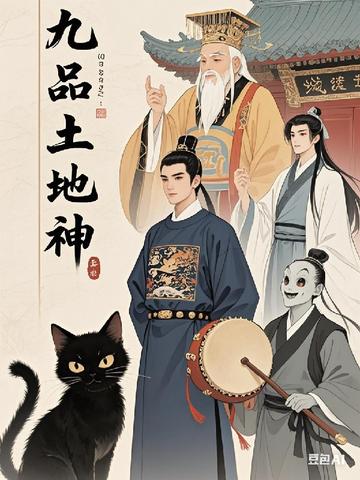
Have you ever seen a City God who has to meet auspiciousness KPIs? In this absurd immortal realm, where merit is measured in gold dust and auspicious signs are built up through data, ninth-rank City God Li Changgeng can only smile wryly as he grips half a bloodstained sprig of mugwort. Inside the Imperial Medical Bureau’s gold-embroidered medicine pouch lies a folk remedy for common herbs, sewn together by his father with patches. Chen Qinghe, a low-ranking ghost constable, swings a peddler’s rattle with a crack in it; its drumhead bears an ear-of-barnyard-grass design drawn in stove ash by the village children. One forges auspicious clouds on his merit report, while the other breaks auspicious illusions in the alleys by the ruined temple with rice-washing water. Together, amid the narrow space between gold dust and barnyard grass, they carve a gap where light can seep through.
When the black iron scales in the Hall of Merit are about to crush the last grain of barnyard millet, Chen Qinghe’s peddler’s rattle suddenly sounds. It is no immortal melody, but the beating hearts of thirty-six households. The folk remedies, leaky stoves, and even the crooked cloud patterns drawn by children, all deemed “invalid” by the Heavenly Court, are growing along the earth’s veins. In time, they will push aside the glittering gold dust and carve the true measure of worth into the Book of Merit: divinity belongs among the people, not in the heavenly palace.
This is no lofty tale of the gods’ investiture, but a grassroots myth from the alleys by a ruined temple. While the immortals are busy competing for merit, someone is always crouched by the stove, simmering “being alive” into the warmest blessing of all.