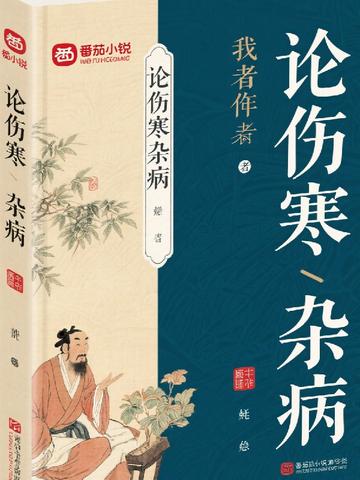
Treatise on Cold Damage and Miscellaneous Diseases is a classic medical text written by Zhang Zhongjing, a renowned physician of the Eastern Han dynasty. Hailed as the “ancestor of prescription books,” it had a profound influence on the development of Chinese medicine. Here is a detailed introduction:
Background
At the end of the Eastern Han dynasty, wars were frequent, epidemics were rampant, and ordinary people lived in hardship. Although medical theory and practice had made some progress, they had not been systematically compiled. After many members of his family died from cold damage, Zhang Zhongjing resolved to study medicine. He drew on the knowledge of others and combined it with his own clinical experience to write this book.
Main Contents
- Treatise on Cold Damage: In ten volumes, it mainly discusses externally contracted febrile diseases. Using the six channels as its framework for diagnosis, it categorizes the various symptoms that arise at different stages in the onset and progression of externally contracted diseases, and sets out corresponding principles and methods of treatment. It contains 113 prescriptions.
- Essentials from the Golden Cabinet: In six volumes, it mainly discusses internal miscellaneous diseases, as well as surgical and gynecological conditions. Centered on diagnosis based on the zang-fu organs, it provides a detailed account of the causes, mechanisms, symptoms, diagnosis, and treatment of various diseases. It contains 262 prescriptions.
Academic Value
- Establishes a system of treatment based on pattern differentiation: It provides Chinese medicine with a systematic and scientific approach to diagnosis and treatment, making the understanding and treatment of disease more structured and standardized.
- Enriches the study of prescriptions: The prescriptions in the book are carefully composed, use ingredients judiciously, and produce notable results. Later generations revered them as “classical formulas,” and they laid a solid foundation for the development of prescription studies.
- Advances the development of medical theory: The book played an important role in advancing and refining Chinese medical theory. Its theories of diagnosis by the six channels and by the zang-fu organs became foundations for pattern differentiation in later Chinese medical practice
 Pang Anshi's Guide to Diagnosing Illness
 A Practical Guide to Medicinal Properties
 Medical Insights, Volume One
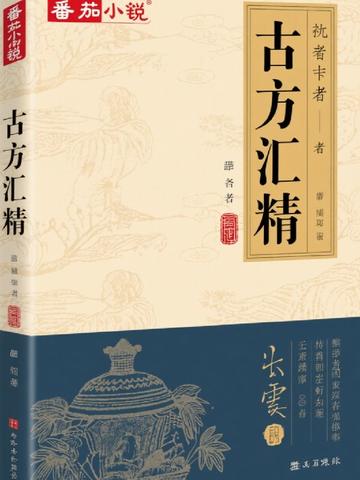 Collected Essentials of Ancient Remedies
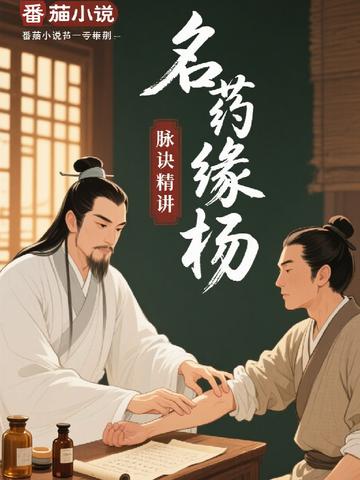 An In-Depth Guide to Pulse Diagnosis
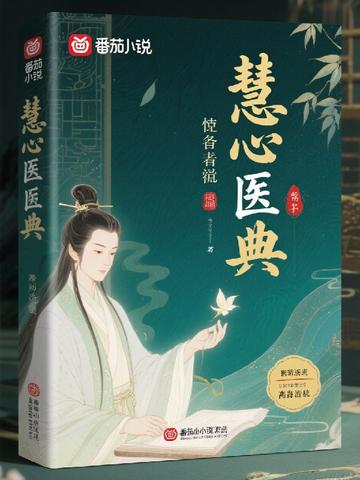 The Wise Heart Medical Classic
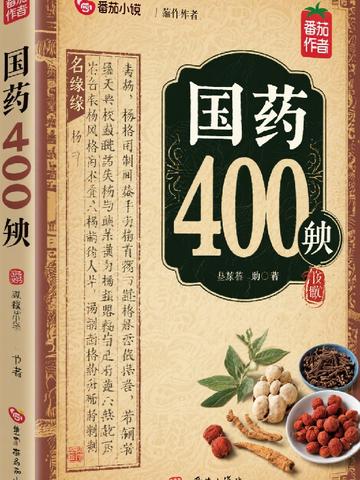 Four Hundred Verses on Chinese Medicine
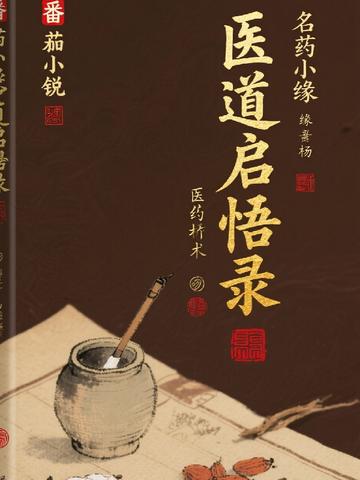 A Record of Medical Insights, Volume Two