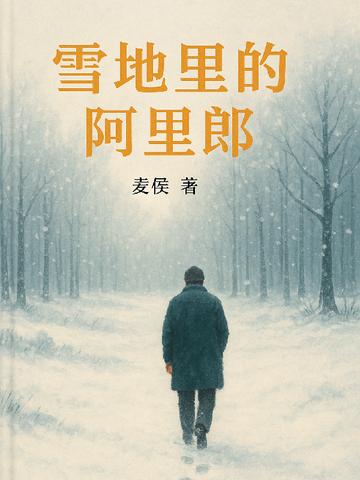
"In Heilongjiang in the 1970s, in Longquantun on the bank of Mudanjiang River, a Korean boy started his childhood in the ice and snow. Born in a family of workers in a supply and marketing cooperative, he started singing "Arirang" at the age of four and was immersed in Korean songs and the warmth of the countryside. However, when he was six years old, an unexpected turn pushed him into a Chinese kindergarten class in the town. The unfamiliar language cut open his world like a knife, and ignited his ignorant desire for a "way out." From playing in the snow to struggling in class, he walked on the footsteps of two languages in this cold land, looking for his own voice. This is an autobiographical novel about language, culture and growth. The story is based on the unique features of the Korean villages in Northeast China, and delicately depicts the transformation of a young man from a "Korean stick" to integrating into the Chinese world. The frozen Mudanjiang witnessed his laughter and tears. The silent support of his parents and the wild memories of his childhood were intertwined into vivid pictures. As time went by, he gradually forgot the complete melody of "Arirang", but found a new foundation in the tough syllables of Chinese. And an even bigger journey - from the Northeast to South Korea, from forgetting Korean to picking it up again - is still waiting for him in the future. "Arirang in the Snow" is not only a person's growth history, but also a microcosm of the cultural integration of countless families of that era. It tells a story about identity, belonging and moving forward with warm and tenacious writing.