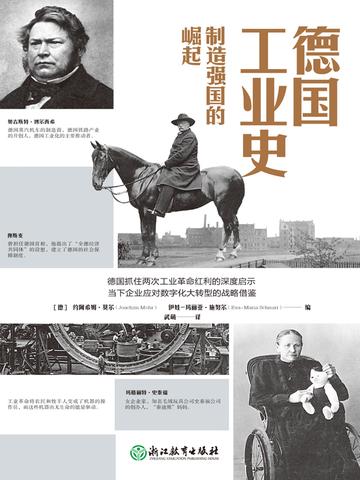
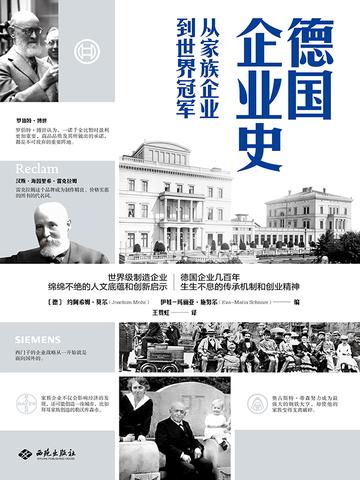
This book documents how German entrepreneurs in the nineteenth century seized the technological opportunities created by the First and Second Industrial Revolutions, and transformed them through hard work and ingenuity into market and commercial advantages. They built trains, laid railways, produced steel, and developed communications, laying a solid industrial foundation for companies such as Siemens to become global giants and for Germany to become a world manufacturing powerhouse.
In just a few decades, Germany transformed from an agricultural society into an industrial power. Steam power ushered in an age of tireless machines; railways cut transportation times and made it easy to move bulk goods; electricity pushed industrialization to new heights. Handicraft workshops became factories for mass production, while large enterprises came to dominate and shape the economy.
Great company founders abounded in that era. Alfred Krupp turned his steelworks into an international arms factory, August Borsig became the "King of Locomotives," and Margarete Steiff started with a small tailoring shop and built a plush-toy empire. World-renowned companies such as Siemens, Bosch, Thyssen, and Henkel were all founded during this period.
Industrialization gave entrepreneurs a dazzling ladder to the heights of national power and brought them immense wealth. Yet countless others failed, and most workers struggled through lives of bleak hardship. In this way, the proletariat emerged as a new social class.
This book shows how German businesses rose rapidly amid the wave of industrialization, how Germany quickly became a world manufacturing powerhouse, and how industrialization brought about stark social divisions.




A very good book that talks about the industrial and economic take-off of Germany from the 18th to the 19th century, but also about the economic crisis and poverty. In order for workers to improve their productivity, capitalists teach them literacy and master mechanical skills. Workers get rid of ignorance and at the same time recognize the injustice brought by capital. Workers are crowded in rented shabby houses and their daily salary is just enough to survive. This is not their fault. As long as the machines that exploit surplus value do not stop, the resistance to oppression will never stop.
Good work that benefited a lot