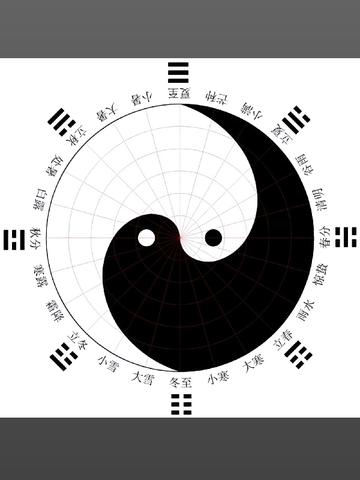
Feng Shui is a traditional Chinese environmental culture and philosophy with a long history and wide influence. It is based on the observation of nature and the universe, and integrates the theories of Yin and Yang, Five Elements, Bagua and other theories. Its core purpose is to pursue the harmony between man and the natural environment, so as to achieve good fortune and avoid evil.
Feng shui is mainly divided into situational school and rational Qi school. The Situation School focuses on observing the mountain topography, such as the trend of mountains (called "dragons"), suitable settlements (called "holes"), surrounding hills (called "sand"), and water flows (called "water"). They judge good or bad luck through the shape and layout of these elements, and pay attention to "encircling mountains and water" and "hiding wind and gathering energy". The Liqi school uses mathematics and Yili, such as heavenly stems and earthly branches, three yuan and nine fortunes, nine palace flying stars, etc., To consider the impact of changes in time and space on the aura to analyze the feng shui of a residence or building.
In practical application, Feng Shui penetrates into every aspect of life. When the ancients built a house, they would choose the orientation and plan the layout based on Feng Shui. For example, facing south would facilitate lighting and shelter from the wind. Today, although part of Feng Shui lacks scientific basis, it reflects the ancients' emphasis on the living environment, and the concepts it contains such as respect for nature and space planning still have certain reference value for modern architectural design and landscape planning.