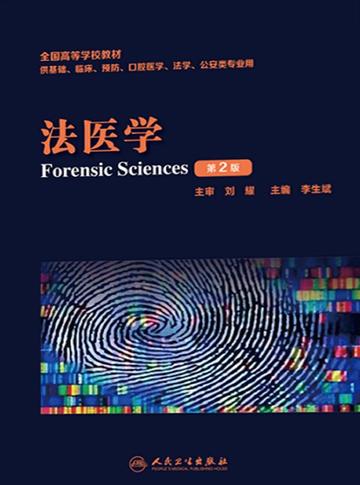
This revision aims to further solve the existing disconnection between theory and practice and the problem of continuous updating of subject knowledge. It also adds analysis of typical cases in practice, forensic identification databases, and new advances in domestic and foreign legal science and technology, so that theoretical knowledge can be applied in judicial practice and meet the need for talents in the construction of the national legal system to a greater extent. The book is divided into eighteen parts and forty-nine chapters. For the first time, this edition introduces the theories and testing techniques of forensic imaging, forensic odontology, forensic toxicology, forensic psychology, forensic field science, forensic ballistics, bloodstain morphology analysis, forensic genetic imaging, forensic entomology, forensic botany, and forensic zoology into "Forensic Medicine"; it also introduces the theories and testing techniques of forensic pathology, forensic clinical science, and forensic psychiatry in the first edition. New adjustments, additions and deletions have been made to the order and content of chapters such as science, medical disputes, forensic toxicology, poison analysis, and forensic anthropology. At the same time, while focusing on forensic theories and technical methods, analysis of typical practical cases and the use of forensic identification databases are added. It also emphasizes the protection of human rights and the maintenance of ethics and morals in forensic identification. The innovations in the format, structure and content of this edition of the textbook are designed to serve teaching and judicial practice, solve the problem of the disconnect between forensic theory and judicial practice, and lay the foundation for the improvement of the modern forensic system.