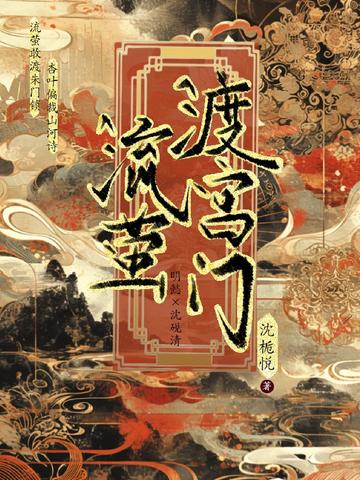
In the late autumn of Yongning Year Seven, a broken kite shaped like a blue luan swept over the wall of the Cold Palace.
Eight-year-old Ming Yi gathered up her skirts and chased it into a ginkgo grove, stumbling into a game of intrigue planned for years.
The ink-bamboo patch on the young scholar’s robe carried the scent of medicine, yet his fingertips lifted the poem she had filled with loneliness:
“An orphaned goose carries the cold moon. Your Highness, do you know the cold moon shines on more than the dry well in the Cold Palace?”
He used the morning dew to complete a line on a withered leaf, “Fireflies cross the river of stars,” then hid the bloodstains on his sleeve in the dusk.
Ten years later, in the depths of winter, impeachment memorials poured toward the imperial desk like snowflakes.
The former “little palace maid” from the Laundry Bureau knelt beneath the palace steps, listening as the entire court accused her of secretly consorting with the son of a convicted minister.
Suddenly, a jade tablet clattered to the floor behind the screen. The newly appointed Vice Minister of the Secretariat strode forward, the corner of a ginkgo bookmark showing from the Songs of Chu in his arms:
“I, Shen Yanqing, will testify to Her Highness Ming Yi’s innocence.”
Some saw fireflies rise from his palm, turning into a river of stars that crossed the thirty-six tightly shut vermilion palace gates.
The deepest palace holds the most fervent poetic heart.
The coldest spark burns through the warmest, longest night.
[Wielding poetry to break the deadlock | A mutual salvation amid surging undercurrents]