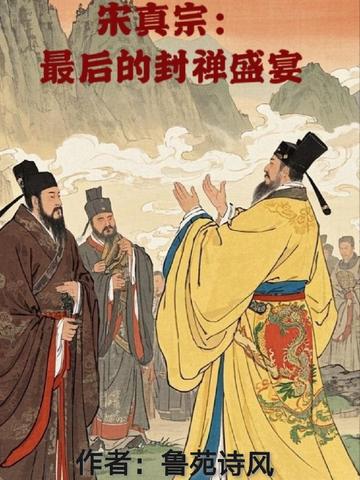
Emperor Zhenzong of Song: The Last Grand Fengshan Sacrifice
During the Northern Song, Zhao Heng, Emperor Zhenzong of Song, was enjoying a comfortable life in the palace as a ruler at peace. Then the Khitan suddenly made trouble, and when news of the border crisis arrived, he was so frightened he nearly fell off the dragon throne.
The court erupted into chaos. Kou Zhun stepped forward and insisted that Zhenzong personally lead the campaign. Gritting his teeth, Emperor Zhenzong set off for the front at Chanzhou. And, strangely enough, the moment the Song soldiers saw the imperial banner, their morale soared, and they routed the Khitan. The Khitan hurried to sue for peace, and Emperor Zhenzong was only too happy to oblige, promptly signing the Treaty of Chanyuan. True, he had to send the Khitan money and goods every year, but at least he had secured peace. Zhenzong believed he had achieved an unparalleled feat.
Once a person gets carried away, they tend to start making trouble. Emperor Zhenzong thought he was so great that everyone in the realm needed to know about his achievements. On a whim, he decided to stage the grand Fengshan ceremony at Mount Tai. Fengshan was the highest form of imperial sacrifice in ancient times, performed only by such legendary rulers as Qin Shi Huang and Emperor Wu of Han.
To make the ceremony seem legitimate, Emperor Zhenzong first staged the farce of “heavenly books descending.” He had people secretly hide silk scrolls bearing “heavenly writings” in the imperial palace and on Mount Tai, then pretended they had been discovered and announced to the realm that Heaven had approved. The officials knew perfectly well what was going on, but none dared speak up. They could only play along.
After a series of tedious rituals, he struggled his way to the summit and completed the ceremony. The Fengshan rites drained the Northern Song treasury, but Emperor Zhenzong was perfectly satisfied. Little did he know that this would be the last Fengshan ceremony in history. When later generations spoke of it, all that remained was a mixture of laughter and exasperation. He had turned a solemn rite into an outright farce.