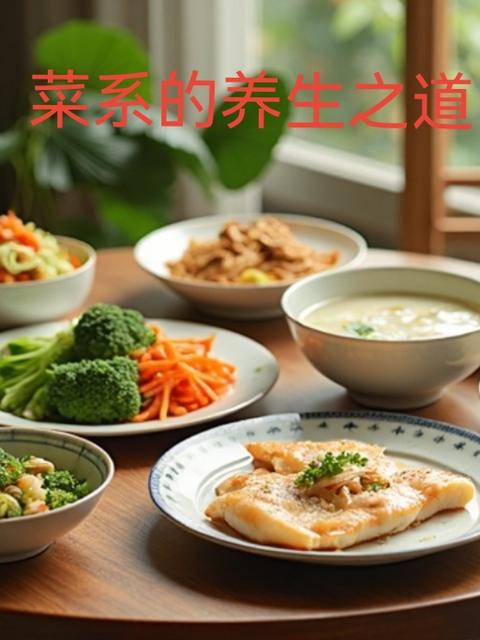
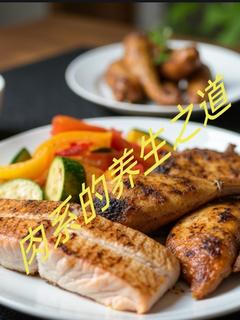
The wellness traditions of China's regional cuisines are rich in culture and wisdom. Through distinctive cooking methods and ingredient choices, each cuisine expresses its own approach to health. Cantonese cuisine is known for its light, fresh flavors. It emphasizes the natural taste of ingredients and often uses low-oil, low-salt methods such as steaming and blanching, as in steamed fish and blanched shrimp. These dishes are nutritious and beneficial to health. Anhui cuisine emphasizes using food to nourish the body, with a focus on roasting, stewing, braising, and steaming. Whole chickens, ducks, and softshell turtles are often simmered into soups, preserving their natural flavors while nourishing the body. Kaihua cuisine, regarded as China's ninth major cuisine, follows the rhythms of nature and uses seasonal ingredients, such as spring bamboo shoots, which are rich in plant protein and fiber and are believed to clear heat, resolve phlegm, boost energy, and support digestion. In addition, imperial cuisine for health places greater emphasis on the medicinal properties of ingredients and their nutritional complementarity, combining them scientifically to unite fine dining with wellness. In short, the wellness wisdom of China's regional cuisines lies in following nature, balancing ingredients, and respecting their essential qualities. They can delight the palate while nourishing both body and mind.