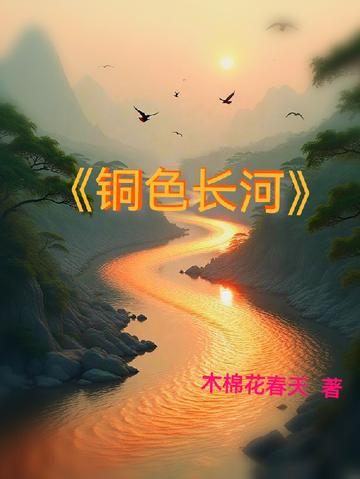
A copper coin drifts down a blood-red river, while half an epic captures the backbone of China.
During the great famine in eastern Henan in 1901, an abandoned infant left at the Sun family ancestral hall, Sun Laifu, clutches a Kangxi-era coin and begins a legendary life spanning a century. The crumbling ancestral hall is his cradle; the gunshots of the Xinhai Revolution are his lullaby; the spark of the Great Revolution burns in his calloused hands. When the blood of his beloved Chunni stains the coin's square hole, and the cotton coats of the support corps freeze into icy armor during the Huaihai Campaign, this man, risen from humble roots, shoulders the dawn of a nation.
From protecting an ancient locust tree against the hollow fervor of the Great Steel Campaign to pressing a coin-stamped fingerprint onto a contract for household responsibility; from clutching five grains of sorghum amid fields of the dead to watching account-book pages flutter in the spring tide of Reform and Opening Up, this coin passes through the swaddling clothes of an abandoned infant, guerrilla trenches, construction sites, and the front lines of reform. It bears the mark of China's most humble wisdom for survival and its most stirring devotion to family and country.
Ask not how heavy a century of change has been. Look instead at the tender shoots sprouting anew from that old locust tree, sending spring branches out through bullet holes. When his great-granddaughter casts the coin into a spaceflight commemorative medal, and “The East Is Red” echoes from space in harmony with the ancient bell of the ancestral hall, we finally understand: this river of history, carved open by courage and resilience, has long been brewing a spirit for the whole nation, where verdigris and vermilion shine together.
This is an epic dedicated to the nameless:
When fate ground him into dust, he raised spring from the dust.



I like it. It would be better if it could be more delicate.