Drawing the Sword: An Exultant Ode to the Soul of the Chinese Army
Across the vast river of modern Chinese history, one work stands like a towering monument above the tides of its age: Drawing the Sword. With its unique appeal, profound themes, and deeply moving power, it vividly captures the true meaning of the Chinese military spirit and has become an enduring classic in the hearts of countless readers.
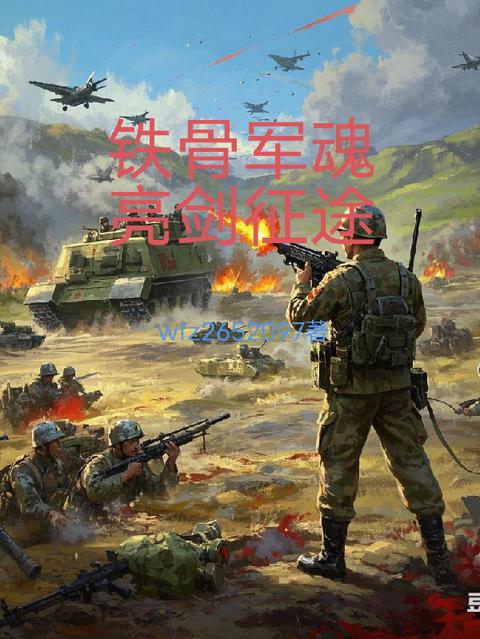
Set in an age engulfed by war, Drawing the Sword spans the flames and smoke of the War of Resistance Against Japan, the sweeping upheaval of the War of Liberation, and the difficult path of exploration after the founding of the nation. Through the legendary life of its protagonist, Li Yunlong, it weaves together a series of grand historical tableaux. With his vivid, fiercely individual personality, Li Yunlong became an archetypal Chinese soldier, and the “spirit of drawing the sword” took deep root in people’s hearts.
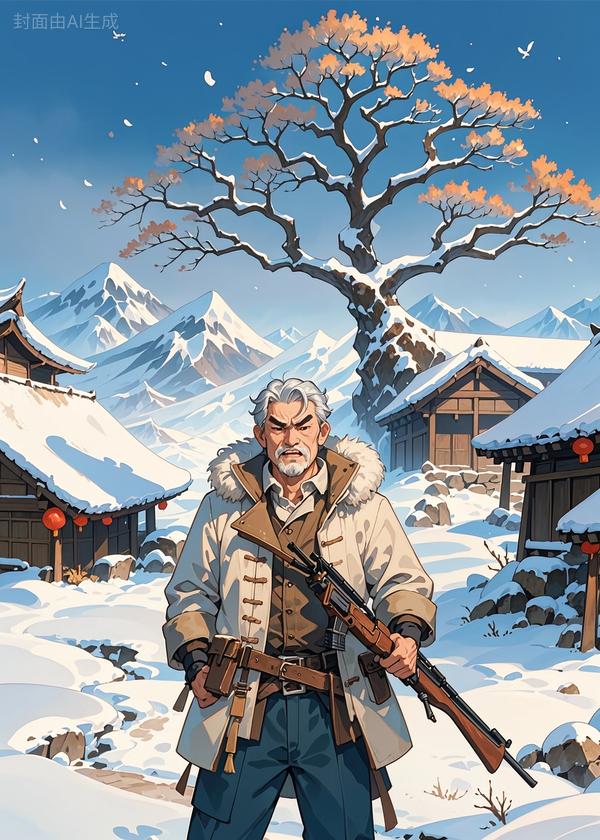
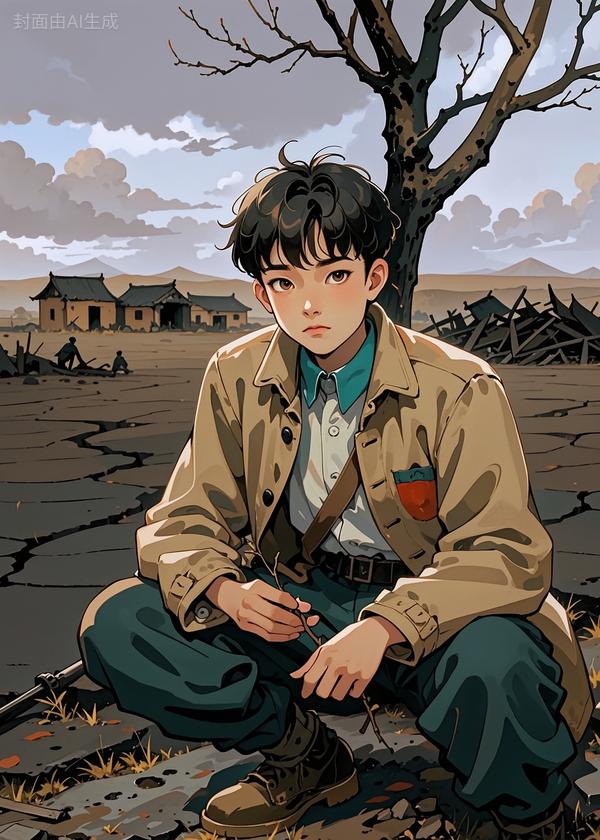
Li Yunlong was born into poverty and endured hardship from an early age. Yet it was precisely this difficult upbringing that forged his unyielding character and his determination to press forward. On the battlefields of the War of Resistance Against Japan, he shone like a dazzling star. Facing Japanese invaders who were well-equipped and well-trained, Li Yunlong was not the least bit afraid. He led the Independent Regiment into desperate battles against the enemy, fighting with an almost reckless ferocity.
“Even when you know you can’t win, you must draw your sword without hesitation. Even if you fall, you must become a mountain, a ridge.” This was the spirit Li Yunlong lived by. During the Battle of Cangyun Ridge, he led the Independent Regiment into a head-on confrontation with the Japanese Army’s Sakata Regiment. The Sakata Regiment was known as the “Steel Regiment” and had formidable combat strength, while the Independent Regiment was short on equipment and soldiers