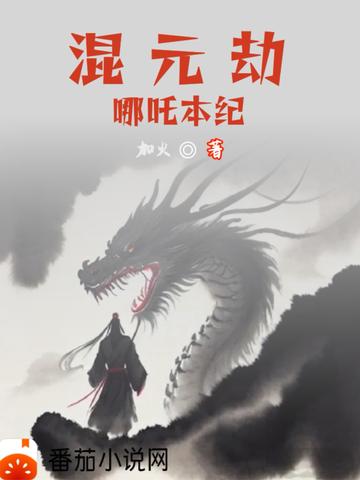
[An existentialist reimagining of Eastern mythology + an epic deconstruction of a threefold paradox]
“My fate is mine, not Heaven’s. To hell with the Celestial Court, to hell with Pangu.”
In this universe ruled by Pangu’s cancerous twin pupils, those reincarnated from the Spirit Pearl are born “Dao Slayers.” Yet they do not know that every time they swing the Fire-Tipped Spear, they help their mother entity hatch a new blood-red star chart. When Nezha gouges out his left eye and shatters the Spirit Pearl’s seal, he sees not liberation from fate, but a deeper conspiracy. The setting sun over Chentang Pass, where he took his own life, was a karmic illusion projected by the mother entity. Li Jing’s Exquisite Pagoda, used to suppress him, was in truth the original cocoon of a parasitic civilization’s backbone. And Lady Yin’s hoarse cries of “Jing’er” were blades of cognitive poison piercing his consciousness, meant only to bind him forever to the wheel of destiny as the “patricide.”
But this time, Nezha refuses to be named.
The final battlefield holds no clash of divine weapons.
Nezha tears apart his own divinity and grinds the Spirit Pearl to dust. With its ashes, he writes two lines of blood script across the cancerous mother entity’s pupils:
“My name is not my blade. I am nameless.”
This is Nezha’s hundred-thousandth death,
and his true birth.