At the time, the corrupt rule of the Northern Song court had plunged the people into misery. The people of Jiangnan suffered especially badly from the exactions of the “Flower-Stone Tribute.” Fang La’s home county of Qingxi was rich in resources such as lacquer trees, paper mulberry trees, and fir trees. These should have been a source of livelihood for the locals, but they attracted the covetous attention of officials from the Manufacture Bureau, who were responsible for the tribute. They frequently came to the lacquer groves and forcibly demanded timber. To protect his own interests, the landlord Fang Youchang shifted this burden onto Fang La and the other laborers. Fang La’s life grew ever harder: he had to endure grueling work, shrinking wages, and the oppression of officials, and his resentment grew by the day.
Beyond the economic oppression, social inequality also filled Fang La with rage. He saw corrupt officials and powerful landlords living in luxury, wantonly squandering the people’s hard-earned money, while ordinary folk struggled to afford even the bare necessities. The stark contrast made Fang La realize that only by changing this rotten society could the people live better lives. Driven by his dream of becoming emperor and his deep dissatisfaction with the world around him, Fang La began to plot in secret, determined to launch an uprising, overthrow the Northern Song dynasty, and establish a fair world for the people.


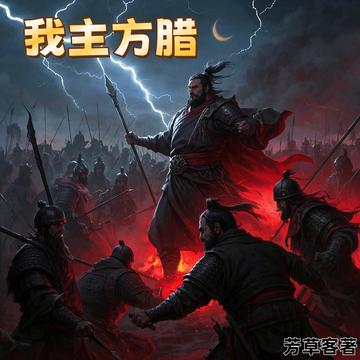

Good book recommendation, great recording style
The plot is exciting, the structure is clear, and the characters are richly imagined.