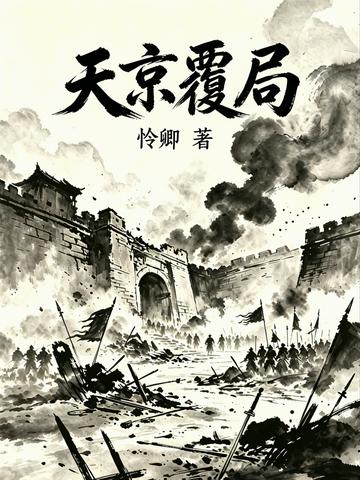
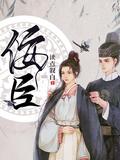
Jiangning falls. His father dies in battle, and the family is scattered.
Lu Weicheng was once the least valued of Lu Jiaying’s sons, a concubine-born child. When his legitimate elder brother refuses to have anything to do with Western affairs, the family sends Lu Weicheng off to Shanghai and Hong Kong like a discarded pawn. He learns foreign languages, trains with firearms, and cuts off his queue, becoming the least respectable member of the Lu family.
Who could have imagined that on the night the city fell, when loyal officials and righteous men were killed or fled in droves, this son who looked “least like a Qing subject” would survive the mountains of corpses in Jiangning, thanks to his severed queue and his Western learning?
From then on, he is no longer a son the Lu family can cast aside. He is the most dangerous piece on the board in a world gone mad.
The Qing army wants to use him as a weapon. The Xiang Army fears his talent. The foreigners value his understanding of their ways. Local strongmen want to enlist him to protect their estates. Even Shi Dakai, the Taiping Heavenly Kingdom’s Wing King, regards the young man, with his Western cannons, knowledge of city defenses, and lack of a queue, as someone to be reckoned with.
All he wants is to return to Jiangning, bury his father, and avenge his family.
But in the end, he realizes that Jiangning fell and its people suffered not just because the Taiping army entered the city, but because the whole realm had rotted to its core long ago.
If the Qing cannot hold the realm, and the Taiping Heavenly Kingdom cannot save the people, why shouldn’t he take the throne himself?
This is the story of a son born to a concubine who rises from discarded pawn to warlord, from revenge to conquest, and from taking a city to founding a nation.
The struggle for the throne begins in Jiangning, where rebellion ignites and the realm is overturned.