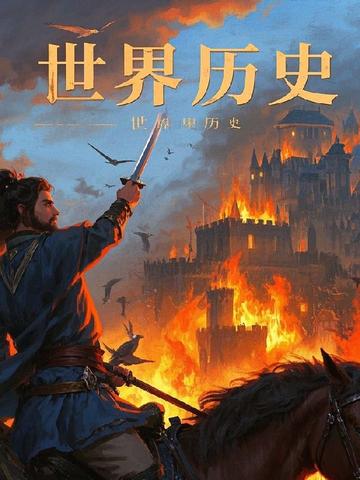
Across the river of time, world history is an epic tale of sweeping change.
On the ancient plains of Mesopotamia, the Sumerians carved cuneiform, ushering in the dawn of civilization. Along the Nile, the ancient Egyptians built magnificent pyramids, and the mysterious legends of the pharaohs endure to this day. In the East, Chinese civilization has lasted for thousands of years, from the tribes of Yan and Huang to the unified empires of the Qin and Han, its distinctive cultural heritage never broken.
The democratic politics of the Greek city-states gave rise to flourishing philosophy and art. The ideas of sages such as Plato and Aristotle lit the way for Western civilization. The Roman Empire rose to power, building a vast domain through military might and a sophisticated legal system. Though it eventually declined after reaching its peak, its legacy endured.
In medieval Europe, religion dominated society, and castles and knights became defining symbols of the age. Meanwhile, the Tang and Song dynasties in the East prospered economically and flourished culturally, while the Silk Road linked East and West through trade and cultural exchange.
The Age of Exploration broke down the world's isolation. Columbus discovered the New World, and Magellan circumnavigated the globe, bringing the world closer together. The Industrial Revolution then brought a leap in productivity and transformed the way people lived.
The two world wars inflicted terrible suffering on the world, but also prompted humanity to reflect on the preciousness of peace. After the wars, nations rebuilt amid the ruins and developed through cooperation and competition, together writing a new chapter in world history as they continued toward an unknown future.