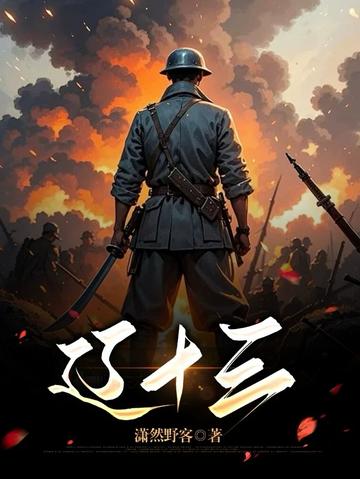
In the Northeast in 1932, the wind was as cold as a knife and the mountains and rivers wept with blood.
Oroqen hunter Zhang Dacheng was involved in the anti-Japanese torrent due to an encounter on a snowy night. A "Liao 13" rifle engraved with the emblem of Fengtian Arsenal pushed him from the dense forest of Daxinganling to the battlefield of iron and fire. The fangs of the Japanese Army's "Glacier Project" penetrated deep into the bottom of the Songhua River, Unit 731's in vivo experiments ravaged the black land, and Harbin under the shadow of the Puppet Manchukuo was undercover with spy shadows and gunpowder smoke.
From a snowfield hunter to the captain of the Anti-Japanese Alliance "Blood Blade" special force, Zhang Dacheng, under the training of instructor Li Canglan, grew into a sharp blade that penetrated the heart of the Kwantung Army. They bombed submarines, robbed military columns, and destroyed poisonous schemes. In the forest and snowy fields at minus 40 degrees Celsius, they used modified firearms and rivers and lakes wisdom to write desperate legends.
When love quietly sprouts in the flames of war, when comrades are stained with blood in the snowstorm, Zhang Dacheng bears not only the hatred of family and country, but also the backbone of a nation in its darkest moment. From the defense of Waitou Mountain to the advance into the Daxinganling Mountains, from the surprise attack on the Harbin Bank to the life-and-death line of sniping in the snowy fields, "Liao Thirteen" uses the cold and hard barrel as the pen and the white mountains and black waters as the volume to compose a long anti-Japanese song intertwined with iron blood and tenderness.