The Eight-Nation Alliance's Invasion of China
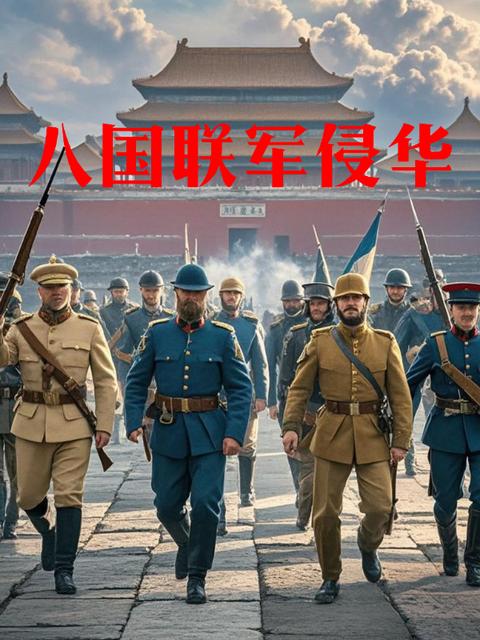
In the late 19th century, the world's great powers developed a keen interest in China, an ancient and prosperous land. Through economic exploitation and political oppression, they sought to bring the country under their control. Against this backdrop, the Boxer movement arose. Its members opposed foreign religions and resisted aggression, demonstrating the Chinese people's patriotism and courageous resistance. However, the powers' provocations ultimately led to the Eight-Nation Alliance's invasion of China.
The Eight-Nation Alliance landed in Tianjin and advanced on Beijing, leaving a trail of killing, looting, and destruction. The capital descended into chaos. The imperial palace, the Summer Palace, and other sites were plundered, and countless precious cultural relics were stolen. Empress Dowager Cixi fled with the Guangxu Emperor, and the Qing government was forced to sue for peace and sign a series of unequal treaties that humiliated China and surrendered its rights, with far-reaching effects on Chinese society.
Yet the Chinese people did not submit. They organized spontaneously to resist the invasion by the Eight-Nation Alliance. The war inflicted enormous damage on China, including economic decline, social upheaval, and the loss of cultural heritage, hindering the country's modernization.
The international community held differing views of the war, but people of insight began to reflect on it, planting the seeds of ideas that would later contribute to national rejuvenation. This war taught us the profound importance of a strong nation and national unity, and offered lessons for China's future path of development. This history will remain forever etched in the hearts of the Chinese people, inspiring us to keep moving forward.



Never forget... National humiliation