In 1972, like many other places across Eurasia, the Soviet Union suffered a severe drought, and its wheat harvest was devastated. A food crisis was imminent. Under America's customary “food strategy,” this was the perfect time to demand exorbitant prices. To fill its enormous food deficit, the Soviet Union would have to pay dearly. Yet, against all expectations, it was not Brezhnev but Nixon in the White House who was sitting on pins and needles.
As it turned out, the Soviet Union had anticipated the poor harvest. Before the production figures were announced, it pretended to have had a bumper crop and fooled the American inspectors sent to investigate. It ultimately bought a third of America's grain reserves at rock-bottom prices, costing the United States $3 billion in potential profits. Worse still, American grain stocks plunged, prices soared, and the country faced an unprecedented food shortage.
The United States was utterly defeated in this Soviet-American grain battle, leading the American media to call it the “Great Grain Robbery.” This was a microcosm of the decades-long struggle between the United States and the Soviet Union over grain after World War II...
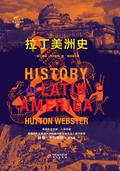
This book examines U.S.-Soviet grain trade from 1945 to 1991, analyzing the development of trade between the two countries and around the world during this period, its major events, and the policies each country pursued. On that basis, it focuses on the shifts in the international situation from the 1970s through the 1990s, driven by changes in the status and prices of oil and grain. It also analyzes how American policy evolved to use grain as a “weapon,” and sheds light on how the Soviet Union's excessive dependence on grain imports contributed to its eventual collapse.
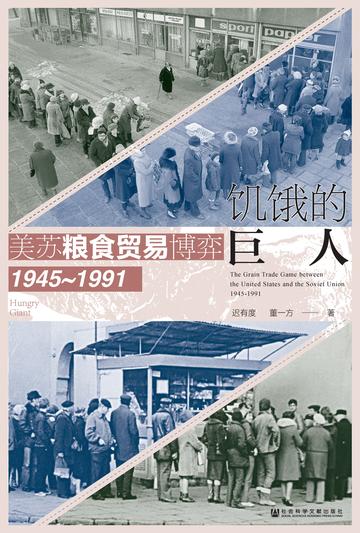




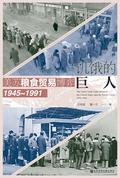
This book is very interesting! It tells the story of the grain trade game between the United States and the Soviet Union, and allowed me to see the close connection between politics and economics. I particularly disliked Nixon in the book. He was completely defeated in this game, and the United States also suffered from food shortages. This made me understand that national decision-making and international relations have a profound impact on people's lives. After getting married, I will pay more attention to these issues and make plans for my own small family. You can also read this book, I believe you will have different insights.
Thank you, Master Guoguo, for such a beautiful book and true history!
Analyze food security and policies from the national level. Then understand the context of the development of the times and human reflection.
The information is comprehensive and has no obvious ideological bias. It is a great reference for writing novels.