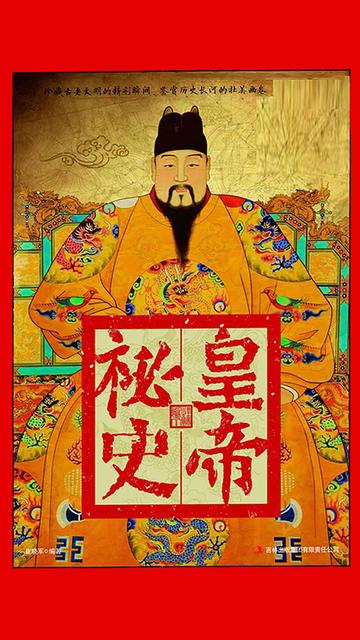
In ancient China, no place was more mysterious than the imperial palace. What joys and sorrows, love and heartbreak, unfolded within those walls, hidden behind layers of enclosure? How was an emperor chosen? How many children did he have, and how did he manage his vast family? How were heirs to the throne selected and trained? How elaborate was the coronation ceremony? What did the emperor eat and wear each day? How did he host banquets for his ministers? These are all topics that have long fascinated ordinary people.
From Qin Shi Huang to Puyi, the last emperor of the Qing dynasty, more than 400 emperors ruled during China's over 2,000 years of feudal history. All under heaven belonged to the emperor, and all who lived within its borders were his subjects. Revered as the "Son of Heaven," the emperor was the most exalted and distinguished figure in the land. Yet an emperor's life could be so different from one ruler to the next. Some governed with diligence and ambition, while others neglected their duties. Some led illustrious lives, while others met tragic fates. Some were devoted in love, while others were heartless. The emperors of ages past left behind countless strange and fascinating tales. Behind palace gates locked tight, how many stories of love and hatred have been sealed away?
Thousands of years later, we brush the dust from history and search between the lines for details that were once vivid but have since been forgotten. Then, suddenly, we discover how many rich and varied lives lie hidden behind the emperor's public image. There was no emperor who was wholly incompetent, nor one who was perfect. Every emperor's life was a legend, leaving us moved and full of sighs.