The Heisei era began in January 1989 and came to a close in April 2019. Looking back, the economic conditions of the Heisei era were vastly different from those of the preceding Showa era (1926–1988). In the first year of Heisei, Japan's economy reached its peak. After that came a string of crises, including the collapse of the bubble economy, financial turmoil, deflation, and a declining population. Japan's economy faced ongoing challenges and languished in a low-growth period for 30 years.
This book describes Japan's economy during the Heisei era from multiple angles, delves deeply into the reasons behind its prolonged stagnation, and closely examines Japan's fiscal and monetary policies. It provides a comprehensive picture of the era's economic development and offers a cautious outlook on the future of Japan's economy.
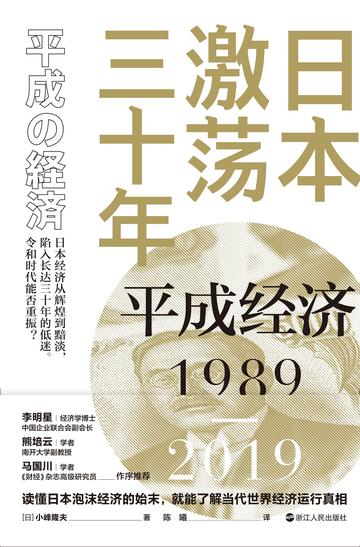





This book is so rich in content! It depicts the development of Japan's economy in the Heisei era from multiple angles, and also analyzes the reasons for Japan's economic downturn, which gave me a deeper understanding of the Japanese economy. Moreover, the author Takao Omine has rich experience in the economic field, and his views are very unique, which has benefited me a lot. I especially like the part about Sino-Japanese industrial cooperation in the book, which I feel is very inspiring for future economic development. All in all, this is a book well worth reading!
After reading this book, I feel that my knowledge has expanded a lot. I feel that it is written in more detail and objectively than the Heisei Politics book, and is more meaningful in inspiring and guiding the times.