On June 13, 1846, the Paris-Brussels railway was opened. 1,500 Passengers accepted the invitation of Baron Rothschild, the operator of the railway company, and boarded the first flight. Invited travelers included the Dukes of Nemours and Montpensier, sons of King Louis-Philippe I of France, French and Belgian officials, Alexandre Dumas, Hugo, Gautier, Ingres and other celebrities. During the journey, Berlioz conducted the orchestra to play the "Funeral and Triumphal Symphony" on the train. This railway was not the first international railway, but it was considered the most important, as it connected France with the Low Countries, and Britain with the German-speaking areas. The railways crossed national borders, ushering in a new era of European culture. Writers, artists, opera troupes, bands and actors became frequent visitors, taking trains to travel across the country, holding a large number of concerts, art exhibitions, readings, and salons. The international market was also opened to mass-produced cheap reproductions of paintings and printed books and sheet music through convenient cross-border transportation.
People from all over Europe began to see Europe as a whole and to share the same culture - they read the same books, listened to the same music, admired the same paintings, and watched the same plays. In the end, they regarded themselves as "Europeans" and regarded Europe as a field of cultural exchange, translation, and exchange that was not restricted by national boundaries. This marked the beginning of cultural globalization in Europe in the 19th century. The railway age brought a revolution in mass transportation and travel, and printing technology increased the market power of mass production of works. Eventually, art and culture became a business, and whether a work will last forever or be lost to history will be determined by the capital market.
Through the stories of the Russian writer Turgenev, the French soprano Paulina Viardot, and the art critic Louis Viardot, Figes shows the splendid internationalist culture of the 19th century, and how writers, artists, and musicians at that time became transnational cultural intermediaries, connecting European countries into a cultural community through the flourishing cultural circle, allowing people of all European countries to accept a common identity label - "European", and thereby establishing the classic status of European culture, literature and art in world civilization.
Reader comments
The writing style of this book is very attractive and the writing is smooth, which made me feel very comfortable while reading. I especially like the description of European culture in the 19th century in the book. It makes me feel as if I have traveled back to that era and feel the charm of art and culture personally. In addition, the book shows the formation of European culture through the stories of three different characters. This narrative method is also unique and gave me a deeper understanding of European culture. All in all, this is a book well worth reading!
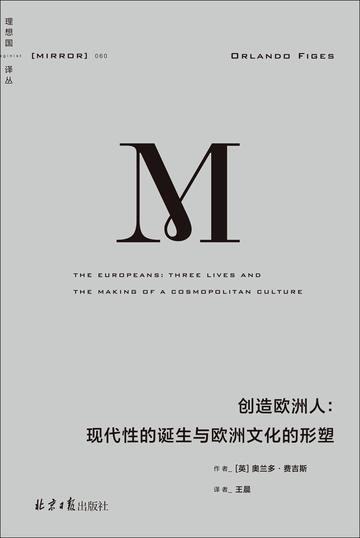





The writing style of this book is very attractive and the writing is smooth, which made me feel very comfortable while reading. I especially like the description of European culture in the 19th century in the book. It makes me feel as if I have traveled back to that era and feel the charm of art and culture personally. In addition, the book shows the formation of European culture through the stories of three different characters. This narrative method is also unique and gave me a deeper understanding of European culture. All in all, this is a book well worth reading!