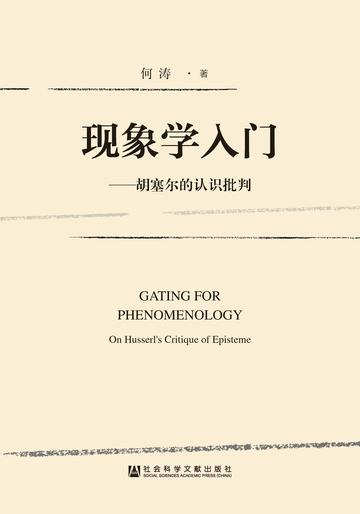
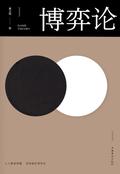
This book deeply explores Husserl's phenomenological epistemology, from theoretical foundation to method application, and comprehensively analyzes its relationship with modern epistemology and its transcendence.
By elaborating on the phenomenological method, it reveals its central role in epistemic criticism and shows how philosophy can be shaped into a rigorous science through the phenomenological method.
Husserl's criticism of philosophers such as Descartes, Hume, and Kant revealed the limitations of traditional epistemology and the influence of their ideas on modern philosophy.
In transcending modern epistemology, Husserl proposed a strictly scientific phenomenological epistemology, explored the object structure and the phenomenological elucidation of natural science, and provided a new perspective and theoretical framework for understanding modern philosophy.