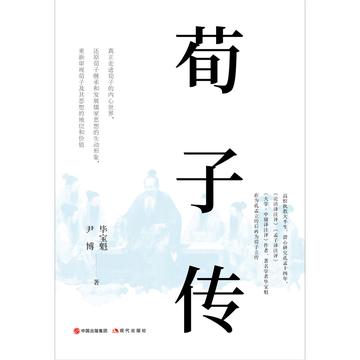
"The Biography of Xunzi" is a historical biography about Xunzi. The author combed through the relevant writings about Xunzi's life and deeds in ancient classics, systematically wrote Xunzi's life in the form of a biography, and elaborated on Xunzi's life. The ideas of "the simultaneous application of etiquette and law", "the theory of nature and evil" and "controlling the destiny of heaven and using it" reproduce the major historical events and social realities at the end of the Warring States Period, trying to make the image of this "post-sage" of the Chinese Confucian school clearer and more vivid. From Xunzi's words and deeds, we can understand his inheritance and development of Confucianism, as well as the realist tendency and pragmatic spirit of Xunzi's thought, and re-examine his status and value in the Confucian school.
Reader comments
This "The Biography of Xunzi" is really well written! It vividly depicts Xunzi's life and gave me a deeper understanding of his thoughts. The book's view on "the simultaneous application of etiquette and law" is very interesting, just like Xunzi said, "Rituals are the ultimate form of humanity." This sentence made me see the importance he attached to moral norms. However, I kind of hate some of the characters in the book. They always cause trouble for Xunzi, which makes me a little angry. Overall, this is a good book worth reading, which can give us a better understanding of ancient Chinese thought.
This "The Biography of Xunzi" is really well written! It vividly depicts Xunzi's life and gave me a deeper understanding of his thoughts. The book's view on "the simultaneous application of etiquette and law" is very interesting, just like Xunzi said, "Rituals are the ultimate form of humanity." This sentence made me see the importance he attached to moral norms. However, I kind of hate some of the characters in the book. They always cause trouble for Xunzi, which makes me a little angry. Overall, this is a good book worth reading, which can give us a better understanding of ancient Chinese thought.