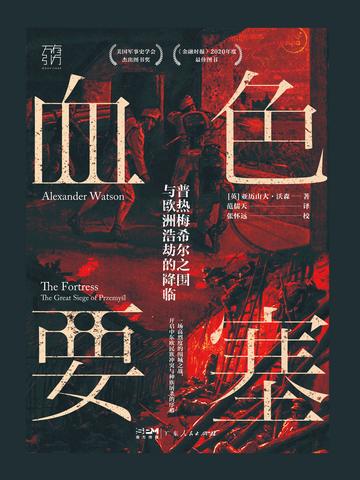
The Przemysl Fortress stood on Poland’s eastern frontier, in a region inhabited by Russians, Poles, and Ukrainians, and long plagued by war and ethnic conflict.
Early in World War I, Russian forces laid siege to the fortress, hoping to capture it quickly and advance into Central Europe. But the Austro-Hungarian garrison, though weak, put up fierce resistance and held out for six months.
This book depicts a major battle that shaped the course of World War I. It offers especially detailed portrayals of the daily lives and mental states of commanders on both sides, countless soldiers, and civilians, while recounting the brutal history of mutual hatred and massacres among the peoples of this multiethnic disputed region. The battle had a major impact on the war and marked the beginning of the waves of antisemitism and ethnic conflict that would follow in Eastern Europe.
This was an absurd siege: the corrupt and incompetent imperial regimes, a commander who understood war only in theory and his foolish, irrational orders, timid officers, untrained soldiers sent to their deaths, and innocent civilians struggling on the front lines all combined to create a picture of chaotic warfare that ultimately exhausted two ancient empires, Austria-Hungary and Tsarist Russia.
The fortress was a crucible of ethnic tensions in Central and Eastern Europe. Hungarians and Poles despised Ruthenians and Russians. It was also a center of antisemitism, where every ethnic group persecuted Jews. After World War I, the ethnic tensions and ethnic cleansing set in motion by this battle grew ever more intense, eventually becoming the greatest tragedy in twentieth-century human history and fueling conflicts and chaos that have yet to subside in Central and Eastern Europe.




This book depicts a chaotic and brutal siege, which gave me a deeper understanding of the absurdity of war and the fragility of human nature. I loved the detailed descriptions of the psychological states of the characters, such as the "cowardly officer" and "the struggles of the innocent citizens." The sentence mentioned in the book, "This fortress is the purgatory of ethnic conflicts in Central and Eastern Europe" made me think deeply. This battle not only brought down both empires, but also paved the way for subsequent conflicts. Recommended to friends who are interested in history and human nature.