Ever since humans first left the Great Rift Valley, migration has never stopped, giving rise to the diversity of civilizations. Hunting, gathering, herding, fleeing disasters… In the earliest days, humans migrated under the sway of nature, seeking ways to survive. War, religion, colonization… Throughout the long course of ancient history, political and social forces became major drivers of long-distance migration, shaping the foundations of the modern world. Travel, work, study abroad… In today’s globalized world, people move for a wider variety of reasons, and immigration brings cultures into contact, where they exchange and spark new ideas.
This book is the latest work by Professor Robin Cohen, a renowned scholar in migration studies. It offers an in-depth analysis of the profound impact human migration has had on civilization. Exploring many types of migration, including exploration, the slave trade, cross-border labor, exile, and wartime refuge, the book features more than 200 historical images, migration route maps, and data visualizations. Using data visualization, it traces 3,000 years of human migration to explore the future of civilization.
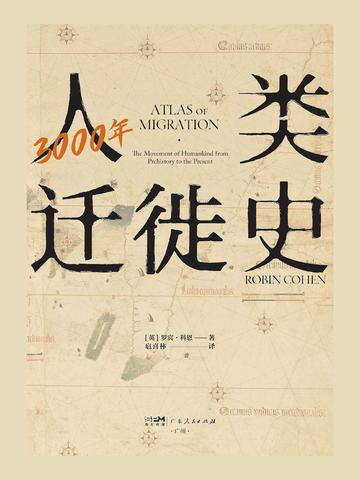










I particularly like the pictures and maps inside, which allow me to understand human migration trajectories more intuitively. However, I kind of hate those slave owners and colonial rulers who brought misery to people in other areas. My favorite plot is about immigrants in modern society who contribute to the exchange of world cultures. All in all, this is a book worth reading!
Although some of the content is subjective, overall it is good.
Understand the world and increase knowledge