Synopsis
22Chapters
27Reads
8.1Score
2Listens
1kReads · all time
In booklists 4
A Collection of Chinese and Foreign Classics
Just as the title says.
191Books24.3MViews5dUpdated



The Male and Female Leads Swap Their Sense of Taste and Pain
301Books1.8MViews11dUpdated
Can Anyone Recommend Classic Literature? I Need to Up My Game
It doesn’t have to be a classic, as long as the writing is good.
36Books93.1kViews17dUpdated
No Online Novels
48Books2MViews1moUpdated
Reader comments 2
Translated by Google Translate
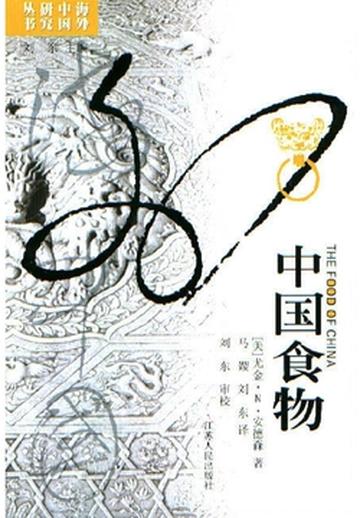
After reading it from beginning to end, please give me a review. This is a classic work of overseas Sinology. It analyzes the characteristics and types of Chinese food from various aspects of Chinese history, geography, political economy, and popularizes biological knowledge. Since the author is a Westerner, it is inevitable that there will be some comparisons with the West. Moreover, since the book was written earlier, the views on contemporary Chinese food are inevitably somewhat outdated. Readers are advised to treat this with caution. The last chapter also gives examples of real Chinese people's daily diet, which shows that the author's research method is more scientific and specific. Through this book, you can even learn some food knowledge that Chinese people themselves may not necessarily know. In short, it is an excellent academic classic that is also relatively easy to understand as a popular science. It is recommended for readers who are interested in overseas Chinese studies.
I especially liked the book's description of the role of food in Chinese culture, which reminded me of my own special attention to food during pregnancy and lactation. Moreover, the regional differences in Chinese food culture mentioned in the book also resonated with me because I myself come from different regions and have a deep understanding of them. In short, this is a good book that can not only increase knowledge but also stimulate thinking!