This three-volume work by Professor Li Anshan, an expert on African studies, examines and analyzes modern African history from a Chinese perspective. It is especially significant today, as China-Africa relations are developing rapidly. On the one hand, it provides a framework of knowledge for understanding exchanges between China and Africa; on the other, it satisfies the general public's interest in African history.
The book is divided into four parts: politics, economy, peoples, and culture. It explores African politics, including early development and reform, colonial rule and decolonization, post-independence politics, and democratization. It analyzes the development of the African economy, from early economic difficulties and the beginnings of modernization to economic ups and downs, Western aid, and development cooperation with emerging nations. It examines progress and challenges in African humanities and social sciences, including cultural origins, decolonized cultural practices, modern African historiography, and African philosophy. It also offers theoretical analysis and case studies of nation-building in various countries.
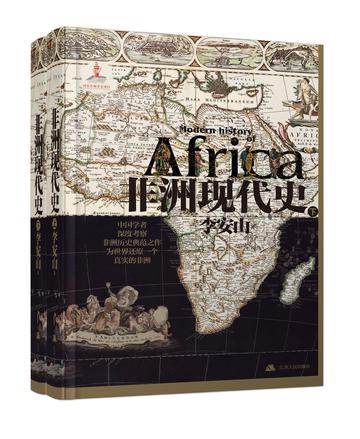

This book is rich in content and tells the modern history of Africa from a Chinese perspective, including politics, economy, culture and other aspects. The stories and cases in the book are very interesting and gave me a deeper understanding of Africa. The author's portrayal of the characters is very vivid. I can feel the determination and courage of Emperor Menelik II and the perseverance of the African people in the face of challenges. Recommended to friends who are interested in African history!