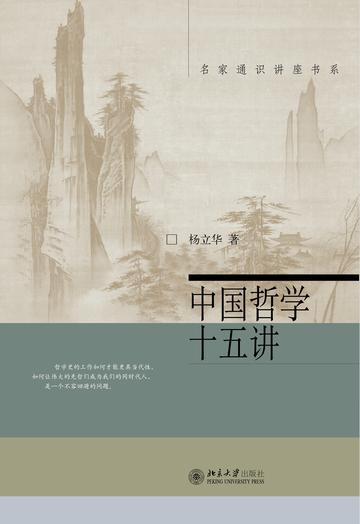
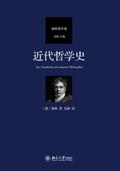
Ancient Chinese philosophy has a long history, is extensive and profound, and many thinkers and schools have emerged in history, occupying a unique position in the world of philosophy. This book does not get too entangled or rigidly adheres to the analytical framework. Instead, it selects representative figures and topics in the history of Chinese philosophy, with the establishment of the subjectivity of Chinese culture as the basic basis. It outlines the basic framework of Chinese philosophy in fluent and popular language, sorting out clues to problems, helping students to establish a knowledge map about Chinese philosophy as soon as possible, providing ideological anchors, and laying a solid foundation for further study.
This book selects fifteen representative philosophers in ancient China and provides an overall elucidation and revelation of their philosophical systems. The author starts from the fundamental issues of each philosopher, clarifies the connotation of his concepts into the specific reference of the issues, and presents the inherent context and structure of the development of his thoughts. The author's in-depth exploration of ancient Chinese philosophical issues and philosophers' ideological paths, as well as his emphasis on the thinking and argumentation processes hidden behind basic philosophical schools, are extremely enlightening for our understanding of ancient Chinese philosophy today.
Reader comments
The explanations of schools other than Confucianism, such as Yang Zhu, Legalism, and Buddhism, are relatively brief and fail to fully demonstrate their ideological value.
The explanations of schools other than Confucianism, such as Yang Zhu, Legalism, and Buddhism, are relatively brief and fail to fully demonstrate their ideological value.