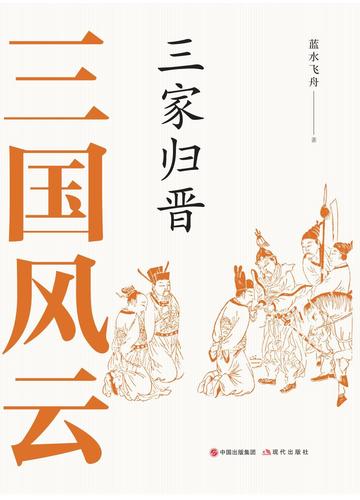
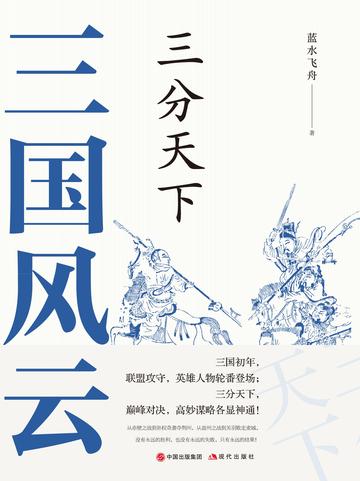
Three Kingdoms: Turmoil and Glory is a popular history of the Three Kingdoms period. Covering nearly a century of historical events, from 184 to 280, the book is divided into four volumes: The Warlords Vie for Supremacy, The Realm Divided in Three, The Three Kingdoms Stand, and The Three Houses Return to Jin. Based on historical sources, it follows people and events in chronological order, using lively, accessible language that modern readers enjoy, along with the storytelling techniques and witty style of a novel, to bring the Three Kingdoms to life.
The book offers a panoramic account of the emperors, ministers, generals, and all manner of other figures of the Three Kingdoms era. It depicts both heroes who turned the tide and treacherous, despicable villains, while giving ample attention to military strategy, political struggles, and the characters' inner lives. By analyzing, organizing, and synthesizing the history of the Three Kingdoms, the author uses insight into human nature to explore the true feelings of historical figures and unravel the mysteries behind historical events. The book also shows how the complexity of individual human nature shaped the course of history, directly or indirectly, helping us gain a deeper understanding of those historical figures and events.
Three Kingdoms: Turmoil and Glory: The Three Houses Return to Jin begins with Zhuge Ke's regency and ends with Sima Yan unifying the country. This was the final period of the Three Kingdoms, when unification had become an irreversible historical trend, yet changes of regime and struggles for power grew even more heart-pounding and bloody. In 263, Sima Zhao launched Wei's campaign to destroy Shu, setting the unification of the Three Kingdoms in motion. The Sima clan seized power and sidelined the Cao Wei imperial house, until the abdication from Wei to Jin completed a peaceful transfer of power. Across the river, the Eastern Wu regime was greatly weakened by years of internal strife and was nearing its end. In 280, Emperor Wu of Jin, Sima Yan, launched a campaign to destroy Wu and succeeded in bringing down the Eastern Wu regime. Thus the three houses were united under Jin, formally bringing the nearly century-long Three Kingdoms era to a close.
This book is like a "vernacular romance" of the history of the Three Kingdoms. The language is light and humorous, making it easy for a history novice like me to understand. The descriptions of various characters in the book are very good. For example, Sima Zhao's sentence "Sima Zhao's heart is known to everyone on the road", which immediately shows his ambition. This reminds me of "The Romance of the Three Kingdoms". They are both based on the Three Kingdoms, but they have different styles and strengths.
Not bad, easy to understand