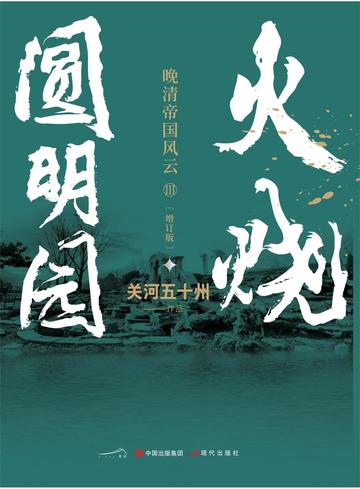
The Late Qing Empire series is Guan He Wu Shi Zhou's major work of modern historical writing. Drawing on a wealth of historical sources from China and abroad, the series examines events from multiple perspectives to understand the positions, true human nature, and ways of thinking of all sides involved. It seeks to retrace the course of modern history, bring the Late Qing to life, and explore the many ways history might have unfolded. The series consists of three books: The Opium War, The Rise of the Xiang Army, and The Burning of the Old Summer Palace.
The burning of the Old Summer Palace was a defining event of the Second Opium War, inflicting deep pain on the hearts of all Chinese people. In the south of the Qing Empire, meanwhile, Zeng Guofan's Xiang Army was on the verge of a decisive battle with the Taiping Army. How would the Qing Empire survive this most difficult period? Would history give it another chance?
Using the burning of the Old Summer Palace as its starting point, this book unfolds the story of the embattled Late Qing Empire. It offers in-depth portrayals of the inner lives of historical figures including the Xianfeng Emperor, Zeng Guofan, Hu Linyi, Li Hongzhang, Hong Xiuquan, Li Xiucheng, Harry Parkes, and Frederick Townsend Ward. Here are the rise and downfall of great figures, the treacherous tides of court politics, bloody battlefields, and the Qing government's missteps in its dealings with foreign powers. The book explores the flashes of humanity, cowardice, and complexity, and reexamines and reflects on historical mysteries and misconceptions, including the burning of the Old Summer Palace.
I especially hate those foreigners who invaded China. Their evil deeds are heartbreaking. However, the portrayal of historical figures in the book is very realistic, which made me understand the complexity of that era better. After reading this book, I also thought a lot. We must cherish the peaceful life we have now. I recommend you read it, you will definitely gain a lot!
Very good and fascinating