King Louis XIV of France excelled at ballet and built Versailles. French soft power, from fashion and cuisine to literature and the arts, has captivated the world to this day, making it fashionable to speak French.
Tsar Peter the Great regarded Russia’s backwardness as a disgrace and a source of anguish. He traveled to Europe himself to study Western knowledge in depth, then tirelessly undertook a sweeping transformation of Russia. Misunderstood and resisted, he even faced a military coup. With an iron fist, he crushed his opponents and ultimately turned a medieval agricultural country obsessed with territorial expansion into a modern coastal power in culture, economics, and military strength.
The young Kangxi Emperor ascended the throne, eliminated Aobai, subdued the Three Feudatories, recovered Taiwan, fought Russian forces, and defeated Galdan. The Qing dynasty reached the height of its power, ushering in the golden age of the Kangxi, Yongzheng, and Qianlong reigns. Kangxi brought China’s feudal dynasties to their peak, but also set the stage for their decline. While Europe embraced intellectual freedom, technological progress, and the pursuit of national wealth and military strength, Kangxi did not lay the foundations for a new era. China and Europe passed one another by, and China could never catch up again.
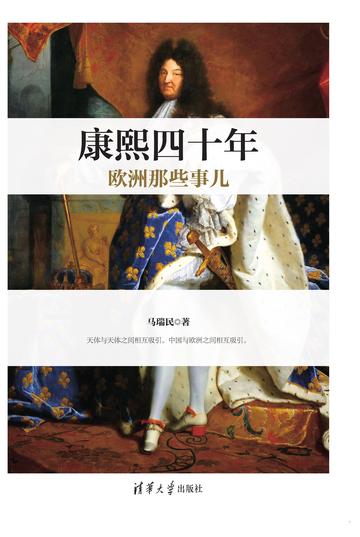




I especially like the part in the book that describes Louis XIV and Peter I. One of them pursues fashion, the other is committed to reform, and they are both charming. However, it is still a bit emotional to see the gap between China and Europe mentioned in the book. This book is worth reading and I recommend it to you!