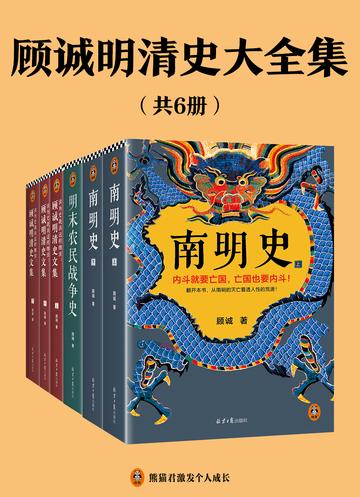
Gu Cheng's Complete History of the Ming and Qing Dynasties (Six-Volume Set)
顾诚明清史大全集(全六册)
- Status
- Completed
- Length
- 1.7M Words
- Genre
- Historical
- Updated
- 2y ago
- Source
- Fanqie
Synopsis
Other names
- 顾诚明清史大全集Alternate title on Fanqie
137Chapters
307Reads
9.4Score
104Shelves
22Listens
23.7kReads · all time
More by this author
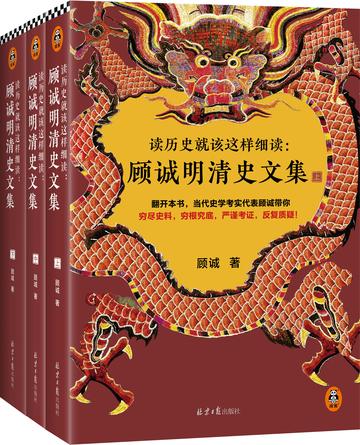 This Is How You Should Read History Closely: Gu Cheng's Collected Works on Ming and Qing History (Three-Volume Set)
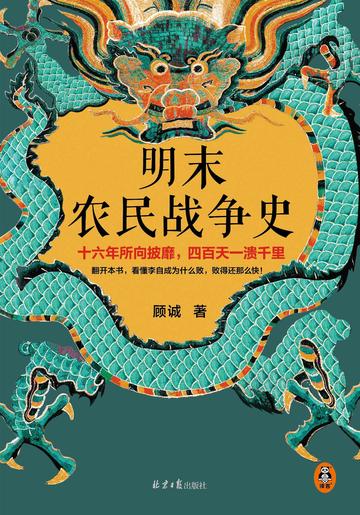 A History of the Peasant War at the End of the Ming Dynasty
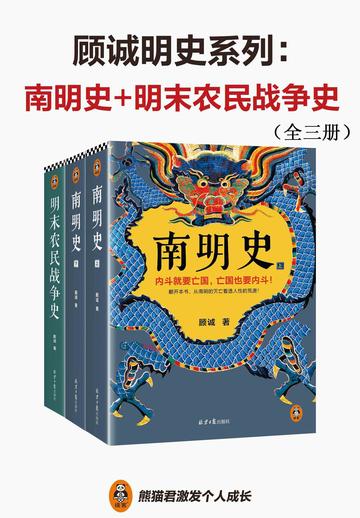 Gu Cheng's Ming Dynasty History Series: The History of the Southern Ming and Peasant Wars at the End of the Ming Dynasty (Complete in Three Volumes)
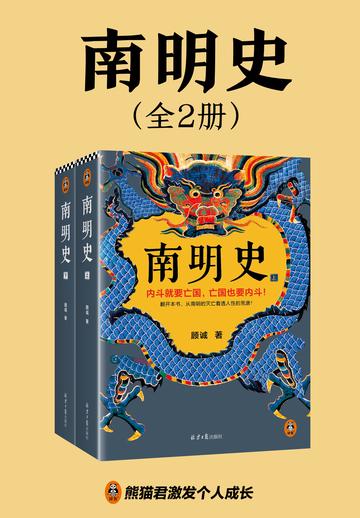 A History of the Southern Ming (Two-Volume Set)
In booklists 6

The True History of China
Looking for books similar to Five Thousand Years of Chinese History. Not fictional historical novels, but real events backed by evidence.
362Books28.4MViews1dUpdated

The Most-Read Novels on Tomato. Come Debate Me!
782Books5.1MViews1dUpdated
Literature, Philosophy, History 📖
254Books3.4MViews3dUpdated
A Must-Read Book for Studying!
280Books1.8MViews4dUpdated

Books to Help Me Improve at History and Geography
Looking for books similar to "Half-Hour Comics: Chinese History" (five-volume set). Anything along those lines.
298Books6.3MViews7dUpdated



Argh, I'm in a Reading Slump. I Can't Find a Single Book That Interests Me
146Books1.9kViews8moUpdated
Reader comments 7
Translated by Google Translate
After reading Mr. Gu Cheng's comments on Mr. Yao Xueyin's "Jiashen Three Centenary Ceremony", I really feel that Mr. Gu Cheng is worthy of a generation of historians. I admire his people's view of history and his rigorous attitude towards history in an objective and fair manner.
This book is rich in content, and through in-depth research on historical details, it reveals many truths hidden behind the history of the Ming and Qing Dynasties. The author's rigorous academic attitude is admirable. Reading this book feels like being in a long scroll of history and having a dialogue with the ancients. Especially the interpretation of the demise of the Ming Dynasty and the internal strife in the Southern Ming Dynasty gave me a deeper understanding of the rise and fall of history.
Eye-opening and worth reading
Not bad, but more professional
Those with low blood pressure can watch it, but those with high blood pressure should not watch 🍉
Very nice, I like it very much
This book is okay