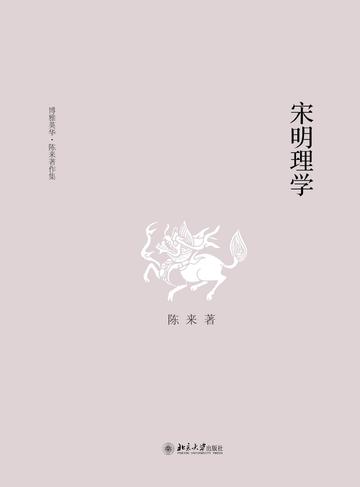
Neo-Confucianism of the Song and Ming Dynasties, also known as "Taoism", refers to the dominant Confucian philosophical system of thought in the Song and Ming dynasties (including the Yuan and Qing dynasties). Confucianism in the Han Dynasty focused on exegesis of names and objects, while Confucianism in the Song Dynasty focused on explaining principles and talking about life and life, hence the name.
Focusing on twenty-five Neo-Confucian thinkers, this book narrates the emergence, development and evolution of Neo-Confucianism in the Song and Ming Dynasties, reveals the basic characters, academic schools, conceptual propositions and theoretical features of Neo-Confucianism in the Song and Ming Dynasties, and focuses on revealing the inherent context and internal discussions of the development of Neo-Confucianism in the Song and Ming Dynasties.
This book is comprehensive in content and clearly structured.
Treating Neo-Confucianism as a trend of thought that succeeds and inspires each other, a special chapter is dedicated to the key pivot points in the development of Neo-Confucianism and some distinctive knowledge points, such as the intellectual groups of the Qingli era during the changes in the Tang and Song Dynasties, such as Ouyang Xiu, Fan Zhongyan and others.

Easy to understand and very readable