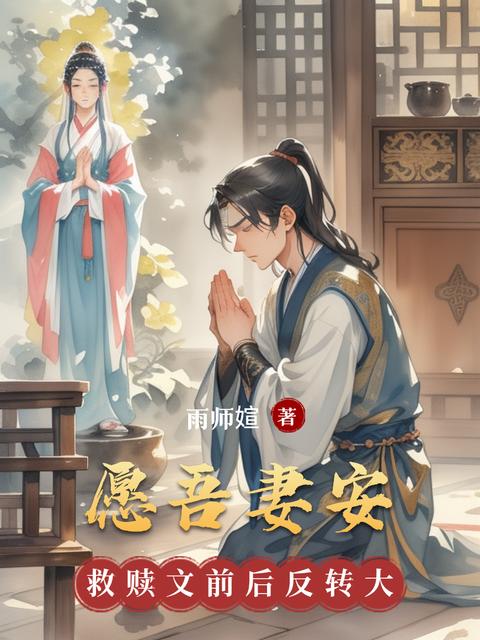
During Emperor Yongxi's reign, he governed with diligence, reduced taxes and labor burdens, and vigorously promoted men from humble backgrounds. He also broke new ground by allowing women to serve as officials, and even passed the throne to his beloved daughter, creating the legend of the first empress of the Great Zhou. Yet later historians and common folk were even more intrigued by the empress's birth mother: a woman who had been only a Noble Consort in life and was posthumously named empress.
It is said that this empress was behind many of Emperor Yongxi's astonishing deeds. She was the neglected second daughter of her family, yet she was chosen to enter the Eastern Palace in place of her elder sister, who was supposed to go. Few people knew of her before she entered the palace. After Emperor Yongxi ascended the throne, she alone enjoyed his favor. She was especially skilled at dancing. Because she loved crabapple blossoms, Emperor Yongxi had a crabapple garden built for her in the palace. She bore two daughters and a son, but tragically lost two of her children in succession. Only her youngest daughter, the future empress, survived and grew up safely. The grief of losing her children pierced her like a blade, and she too passed away far too young.
Emperor Yongxi's love for her was profound, yet brief. To save her when she fell gravely ill, he searched the land for the finest physicians, prayed to the gods day and night, and knelt on countless steps, begging for even the slightest chance of survival. In the end, nothing could be done. With an iron hand, he cleared the way for his daughter to take the throne, showering her with all his affection. Once the empress was capable of ruling on her own, Emperor Yongxi chose to follow his beloved empress in death.
At the spring banquet, a cup of green wine, a song sung once.
I bow again and make three wishes:
First, may my beloved live a thousand years.
Second, may I always be in good health.
Third, may we be like the swallows beneath the rafters, meeting year after year.