The Pantheon in the Computer explores the interplay between technology and human nature, touching on subjects ranging from philosophy to psychology. It takes an in-depth look at the flaws and limitations of human society, reflecting the author's profound thoughts on human civilization.
First, the book examines systems of rule. As they build the Tartarus civilization, the protagonist Tira and the others try to challenge society's existing institutions of power by establishing industries such as a fitness platform built around competitive games, a shared education platform for spiritual civilization, and a cross-temporal ecological tourism platform. In doing so, the book exposes the inequalities of power in modern society and reflects on debates about human social systems.
Second, the book's discussion of war is also far-reaching. In the story, Tira and the others use metaverse technology in an attempt to prevent conflict and war, advocating peaceful coexistence. The book shows the tremendous potential of technology to foster peace and explores questions of peace and war, strategic thinking, and more.
The book also explores human nature and cooperation with those who stand against it. While using metaverse technology to connect ancient Tartarus with the modern metaverse version of Tartarus, Tira and the others face many challenges. By portraying the struggle and cooperation between human nature and its opposite, the book confronts sharp moral boundaries and reveals the ethical conflicts between AI and human decision-makers, reflecting on the ethical and moral implications of technological development.
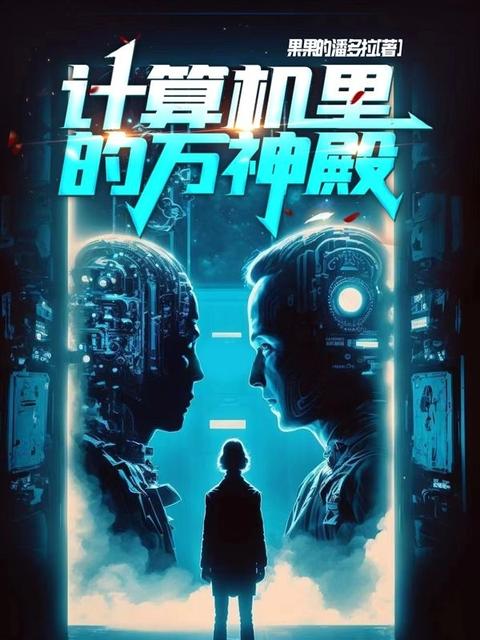






*The Tartarus Metaverse* is an imaginative and innovative science fiction novel. The story opens by presenting the protagonist, Tira, with psychological struggles and challenges, quickly drawing the reader into the plot. As the story unfolds, Kim and Tira gradually build a true Tartarus metaverse, presenting readers with a space brimming with future potential and the wisdom of our ancestors.