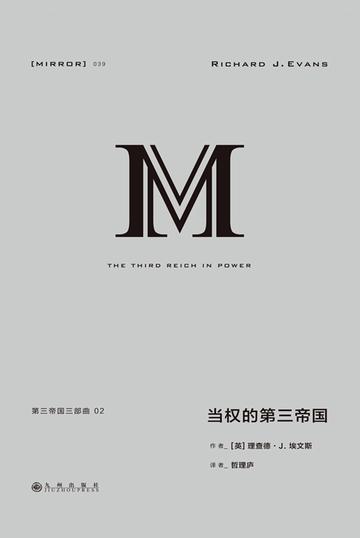
The Third Reich in Power
当权的第三帝国
- Status
- Completed
- Length
- 903k Words
- Genre
- Historical
- Updated
- 3y ago
- Source
- Fanqie
Synopsis
43Chapters
114Reads
9.2Score
12Listens
11.9kReads · all time
More by this author
In booklists 7
Historical Novels About the Holy Roman Empire, Byzantium, Rome, and the Second German Empire
Looking for books similar to "A History of World Empires: The Austro-Hungarian Empire".
83Books4.5MViews1dUpdated

Looking for Stories About Being Reborn as a Woman in a German Alternate-History World, Entering Politics, and Fighting in a Major War
Looking for books like My Steel Maiden Heart: In the Name of the German Emperor.
101Books3MViews2dUpdated
Books About Germany in World War II
Germany in World War I would be fine too. Let me see the glory of the German Empire.
194Books3.9MViews4dUpdated
Any Books About World War I or II? Europe, Germany, France, Britain, Italy, America, Austria, Russia, Hungary, Greece, Romania, and the Balkans
Looking for books similar to "Serbia's Counterattack".
454Books9MViews4dUpdated
Any Books About Being Reborn in Germany During World War II?
I remember reading a novel about a reborn protagonist in wartime Germany, but I can't find it anymore. Does anyone know where I can read it?
217Books9MViews8dUpdated
Books German Fans Will Enjoy
I want to read something like "My Steel Moe Heart: In the Name of the German Kaiser".
126Books723kViews1moUpdated
Books About Germany in World War II
Are there any books about World War II Germany, where someone transmigrates into a German figure from that era?
226Books6.2MViews1moUpdated
Reader comments 1
Translated by Google Translate
This book reveals the mystery of the Third Reich with rich historical materials and vivid narratives. It made me understand the dark side of Nazi Germany under the peaceful appearance, and also made me deeply aware of the horror of totalitarianism. As the book says: "Translation is not just a matter of words, it makes the entire culture understandable." This book is like a key, opening the door to my understanding of that era. It reminds me of "Schindler's List", which is also about the Nazi period and makes people think more deeply about that period of history.