"A Treatise of Human Nature" (Part 1, Part 2) is Hume's most important work in his life. The author of the book attempts to reveal the norms that restrict people's rational, emotional and moral behavior through the study of human nature. The book is divided into three volumes: "On Intelligence", which expounds his skepticism and empiricist epistemology; the second volume "On Emotion" proposes that emotion rather than reason is the basis of goodness and beauty; the third volume "On Morality" discusses the ethical theories of hedonic theory and utilitarianism as well as the political theories of human nature and conventionalism.
Reader comments
The author Hume is based on the theory of human nature. He regards the pursuit of wealth, pleasure and rights as human nature, and believes that human nature is consistent and unchanged no matter when and where. He also believed that the role of history was to discover universal principles about human nature and provide lessons. Based on this, he wrote "A Theory of Human Nature". The author lived in the era of social change from the end of the "Glorious Revolution" of the British bourgeoisie to the beginning of the industrial revolution. In this era, the progressiveness and conservatism of the bourgeoisie were intertwined. Under the influence of these backgrounds and other philosophical ideas, a philosophical system was established that featured a critical skepticism between materialism and idealism.
This book is divided into three volumes, namely On Intellect, On Emotion, and On Morality. These three volumes are also the thoughts of this book. This book mainly explains the importance and significance of human nature science. Through the analysis of human nature, the author opened up the emotional attention in Western moral philosophy. He believes that the analysis of human nature cannot only start from the abstract principles of rationality, but should focus on real individuals who comply with psychological laws and show value tendencies. His thorough analysis of human nature and the definition of the three standards of morality provide topics for discussion in contemporary politics, philosophy and moral philosophy. The theory of "Treatise of Human Nature" still has a profound influence on the history of philosophy.
There is a saying circulating on the Internet, "Is this a loss of morality or a distortion of human nature?" This is a philosophical work that explores human nature and moral ethics. Through the analysis and thinking of human nature, the author explores issues such as human behavioral motivations, moral standards, and social relationships. This book explores the complexity and diversity of human nature in depth, causing readers to think about human nature and ethical issues. For readers who are interested in philosophy and humanistic thinking, "A Treatise of Human Nature" is a philosophical work worth reading.
Human nature is diverse, and different people have different desires and motivations. In this book, the author conducts a large number of observations and analyzes of human behavior, trying to reveal the nature and motivations of human nature, and explore how human nature affects social and political systems. This work aroused widespread attention and discussion at the time and had a profound impact on later political philosophy and social sciences. The views and principles it puts forward are still enlightening and have important reference value for our understanding of human nature and the establishment of reasonable social and political systems.
In the modern context, we often say that we should not test human nature easily, so what is human nature? Hume, a classical philosopher in the 18th century, said that it is a synthesis of intellectual emotion and morality. Compared with Bacon's various essay collections, Hume's writing style is more profound and obscure. It is also a test of knowledge. Bacon's famous saying is that reading history makes people wise, and knowledge is power. Hume, on the other hand, carried out his analysis specifically from the abstract epistemological level of existence, concepts, propositions, etc., And this is where his charm lies. His assumption of the complex human nature broke the theory of pure rationality, and advocated that human free will and emotional expression are the true elegance of human beings, and laid a solid foundation for the development of natural science and social science in later generations.
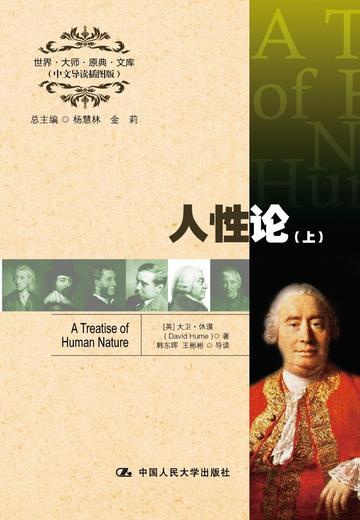




The author Hume is based on the theory of human nature. He regards the pursuit of wealth, pleasure and rights as human nature, and believes that human nature is consistent and unchanged no matter when and where. He also believed that the role of history was to discover universal principles about human nature and provide lessons. Based on this, he wrote "A Theory of Human Nature". The author lived in the era of social change from the end of the "Glorious Revolution" of the British bourgeoisie to the beginning of the industrial revolution. In this era, the progressiveness and conservatism of the bourgeoisie were intertwined. Under the influence of these backgrounds and other philosophical ideas, a philosophical system was established that featured a critical skepticism between materialism and idealism.
This book is divided into three volumes, namely On Intellect, On Emotion, and On Morality. These three volumes are also the thoughts of this book. This book mainly explains the importance and significance of human nature science. Through the analysis of human nature, the author opened up the emotional attention in Western moral philosophy. He believes that the analysis of human nature cannot only start from the abstract principles of rationality, but should focus on real individuals who comply with psychological laws and show value tendencies. His thorough analysis of human nature and the definition of the three standards of morality provide topics for discussion in contemporary politics, philosophy and moral philosophy. The theory of "Treatise of Human Nature" still has a profound influence on the history of philosophy.
There is a saying circulating on the Internet, "Is this a loss of morality or a distortion of human nature?" This is a philosophical work that explores human nature and moral ethics. Through the analysis and thinking of human nature, the author explores issues such as human behavioral motivations, moral standards, and social relationships. This book explores the complexity and diversity of human nature in depth, causing readers to think about human nature and ethical issues. For readers who are interested in philosophy and humanistic thinking, "A Treatise of Human Nature" is a philosophical work worth reading.
Human nature is diverse, and different people have different desires and motivations. In this book, the author conducts a large number of observations and analyzes of human behavior, trying to reveal the nature and motivations of human nature, and explore how human nature affects social and political systems. This work aroused widespread attention and discussion at the time and had a profound impact on later political philosophy and social sciences. The views and principles it puts forward are still enlightening and have important reference value for our understanding of human nature and the establishment of reasonable social and political systems.
In the modern context, we often say that we should not test human nature easily, so what is human nature? Hume, a classical philosopher in the 18th century, said that it is a synthesis of intellectual emotion and morality. Compared with Bacon's various essay collections, Hume's writing style is more profound and obscure. It is also a test of knowledge. Bacon's famous saying is that reading history makes people wise, and knowledge is power. Hume, on the other hand, carried out his analysis specifically from the abstract epistemological level of existence, concepts, propositions, etc., And this is where his charm lies. His assumption of the complex human nature broke the theory of pure rationality, and advocated that human free will and emotional expression are the true elegance of human beings, and laid a solid foundation for the development of natural science and social science in later generations.