At its peak in the 16th century, the Ottoman Empire was an empire spanning three continents: Europe, Asia, and Africa.
Its every move has a profound impact on the Eurasian continent. However, it gradually declined and became the "sick man of Europe" that was oppressed and exploited by Europe, and finally collapsed after the First World War.
This book mainly tells the long history of the Ottoman Turkish Empire from the founding of the country at the end of the 13th century to the great speech of Mustafa Kemal, the father of Turkey, in 1927. It describes the historical development of the Ottoman Empire in 16 chapters, including the various efforts made by the early Ottoman Sultans to expand the territory and strengthen the country, the various responses of the Ottomans when facing challenges from Western countries, and the efforts of various forces in the late Ottoman period to save the country from decline, and it shows the achievements and civilizational characteristics of the Ottomans.
This book is vivid in style and informative in content. It is the first general history of the Ottomans in the English-speaking world that uses a large number of original Ottoman Turkish materials. Different from past works by Western scholars, it attempts to narrate this six-century history from a more neutral perspective. It is very popular in Turkey and has been highly recommended by Nobel Prize winner Orhan Pamuk.
Reader comments
This is a book about the history of the Ottoman Empire. Through rhetorical techniques such as metaphor and parallelism, the author introduces the entire process of the Ottoman Empire from its establishment to its decline in detail. This book is an in-depth study of the political, military, social, and cultural aspects of the Ottoman Empire, showing its rise and fall. The author helps readers understand the historical status and influence of the Ottoman Empire through rich historical materials and analysis. During the reading process, readers can learn about the political system, religious culture and influence of the Ottoman Empire on Europe, and at the same time, they can also think about the reasons for the rise and fall of the empire and the lessons of history.
If you are interested in history, this book is a must read. This is a book about the history of the Ottoman Empire. Through rhetorical techniques such as metaphor and parallelism, the author introduces the entire process of the Ottoman Empire from its establishment to its decline in detail. This book is an in-depth study of the political, military, social, and cultural aspects of the Ottoman Empire, showing its rise and fall. The author helps readers understand the historical status and influence of the Ottoman Empire through rich historical materials and analysis. During the reading process, readers can learn about the political system, religious culture and influence of the Ottoman Empire on Europe, and at the same time, they can also think about the reasons for the rise and fall of the empire and the lessons of history.
The Ottoman Empire was an empire spanning three continents in Europe, Asia and Africa in the 16th century. Its every move has a profound impact on the Eurasian continent. But it gradually declined and eventually collapsed after World War I. This book mainly tells the long history of the Ottoman Turkish Empire from its founding at the end of the 13th century to the great speech delivered by Mustafa Kemal, the father of Turkey, in 1927. It uses 16 chapters to narrate the historical development of the Ottoman Empire.
The Ottoman Empire was an empire spanning three continents in Europe, Asia and Africa in the 16th century. Its every move has a profound impact on the Eurasian continent. But it gradually declined and eventually collapsed after World War I. This book mainly tells the long history of the Ottoman Turkish Empire from its founding at the end of the 13th century to the great speech delivered by Mustafa Kemal, the father of Turkey, in 1927. It uses 16 chapters to narrate the historical development of the Ottoman Empire.
This book has been called "the first book in the English-speaking world to describe the rise and fall of the Ottoman Empire from an inside perspective." The author Caroline Finkel is worthy of being an expert on Ottoman research. The book narrates the historical development of the Ottoman Empire in 16 chapters. Different from past works by Western scholars, it uses a large number of official archives of the Ottoman Empire and narrates it from a more neutral perspective, challenging the Western-centric perspective on Ottoman history.
The Ottoman Empire should be a unique country. He was once the intersection of Chinese and Western civilizations, combining the bravery and fighting skills of the grassland people with cultural literacy. He was once a practitioner of Persian civilization, an inheritor of political culture, and a pursuer of Arabic digital civilization. He once controlled the transportation artery between the East and the West, but unfortunately he was destroyed because he gradually fell behind Western civilization in the development of modern times. He eventually became a victim of Europe's colonial plunder from the East.
The book "Ottoman Empire 1299-1923" narrates the historical development of the Ottoman Empire in 16 chapters. It includes the various efforts made by the early Ottoman Sultans to expand the territory and strengthen the country, the various responses of the Ottomans when facing challenges from Western countries, and the efforts of various forces in the late Ottoman period to save the country from decline. It also displays the achievements and civilizational characteristics of the Ottomans. What makes this book different from past works by Western scholars is that it is the first general history of the Ottomans in the English-speaking world that uses a large number of original Ottoman Turkish materials. It narrates this six-century history from a special perspective. This special angle has also been loved by everyone and spread widely.
A very good general history of the Ottoman Empire. It is good as an introduction to Ottoman history, but it may be a little boring and lacks some microscopic and interesting historical details. You can buy related books to further study some of these major historical events.
This book shows the rise and fall of the Ottoman Empire with vivid writing style and detailed content. Author Caroline Finkel tells history from a more neutral perspective, giving me a more comprehensive understanding of this once powerful empire. The book also cites many original sources, adding to the credibility of the content. Recommended to friends who are interested in history!
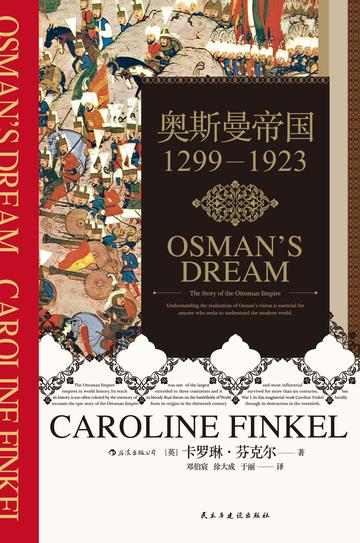




This is a book about the history of the Ottoman Empire. Through rhetorical techniques such as metaphor and parallelism, the author introduces the entire process of the Ottoman Empire from its establishment to its decline in detail. This book is an in-depth study of the political, military, social, and cultural aspects of the Ottoman Empire, showing its rise and fall. The author helps readers understand the historical status and influence of the Ottoman Empire through rich historical materials and analysis. During the reading process, readers can learn about the political system, religious culture and influence of the Ottoman Empire on Europe, and at the same time, they can also think about the reasons for the rise and fall of the empire and the lessons of history.
If you are interested in history, this book is a must read. This is a book about the history of the Ottoman Empire. Through rhetorical techniques such as metaphor and parallelism, the author introduces the entire process of the Ottoman Empire from its establishment to its decline in detail. This book is an in-depth study of the political, military, social, and cultural aspects of the Ottoman Empire, showing its rise and fall. The author helps readers understand the historical status and influence of the Ottoman Empire through rich historical materials and analysis. During the reading process, readers can learn about the political system, religious culture and influence of the Ottoman Empire on Europe, and at the same time, they can also think about the reasons for the rise and fall of the empire and the lessons of history.
The Ottoman Empire was an empire spanning three continents in Europe, Asia and Africa in the 16th century. Its every move has a profound impact on the Eurasian continent. But it gradually declined and eventually collapsed after World War I. This book mainly tells the long history of the Ottoman Turkish Empire from its founding at the end of the 13th century to the great speech delivered by Mustafa Kemal, the father of Turkey, in 1927. It uses 16 chapters to narrate the historical development of the Ottoman Empire.
The Ottoman Empire was an empire spanning three continents in Europe, Asia and Africa in the 16th century. Its every move has a profound impact on the Eurasian continent. But it gradually declined and eventually collapsed after World War I. This book mainly tells the long history of the Ottoman Turkish Empire from its founding at the end of the 13th century to the great speech delivered by Mustafa Kemal, the father of Turkey, in 1927. It uses 16 chapters to narrate the historical development of the Ottoman Empire.
This book has been called "the first book in the English-speaking world to describe the rise and fall of the Ottoman Empire from an inside perspective." The author Caroline Finkel is worthy of being an expert on Ottoman research. The book narrates the historical development of the Ottoman Empire in 16 chapters. Different from past works by Western scholars, it uses a large number of official archives of the Ottoman Empire and narrates it from a more neutral perspective, challenging the Western-centric perspective on Ottoman history.
The Ottoman Empire should be a unique country. He was once the intersection of Chinese and Western civilizations, combining the bravery and fighting skills of the grassland people with cultural literacy. He was once a practitioner of Persian civilization, an inheritor of political culture, and a pursuer of Arabic digital civilization. He once controlled the transportation artery between the East and the West, but unfortunately he was destroyed because he gradually fell behind Western civilization in the development of modern times. He eventually became a victim of Europe's colonial plunder from the East.
The book "Ottoman Empire 1299-1923" narrates the historical development of the Ottoman Empire in 16 chapters. It includes the various efforts made by the early Ottoman Sultans to expand the territory and strengthen the country, the various responses of the Ottomans when facing challenges from Western countries, and the efforts of various forces in the late Ottoman period to save the country from decline. It also displays the achievements and civilizational characteristics of the Ottomans. What makes this book different from past works by Western scholars is that it is the first general history of the Ottomans in the English-speaking world that uses a large number of original Ottoman Turkish materials. It narrates this six-century history from a special perspective. This special angle has also been loved by everyone and spread widely.
A very good general history of the Ottoman Empire. It is good as an introduction to Ottoman history, but it may be a little boring and lacks some microscopic and interesting historical details. You can buy related books to further study some of these major historical events.
This book shows the rise and fall of the Ottoman Empire with vivid writing style and detailed content. Author Caroline Finkel tells history from a more neutral perspective, giving me a more comprehensive understanding of this once powerful empire. The book also cites many original sources, adding to the credibility of the content. Recommended to friends who are interested in history!
Highly recommended recommended